
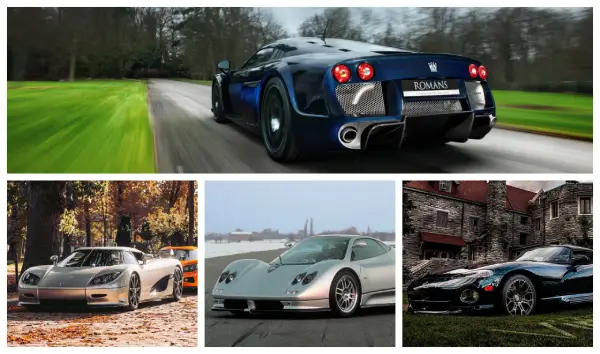
5 Dangerous Classic Supercars: Vintage supercars weren’t designed to babysit drivers. They didn’t come with lane-keep assist, traction control safety nets, or software that corrected your mistakes. Instead, they delivered raw power, unforgiving handling, and consequences for every wrong input.
From wild turbo lag to massive V10 torque with zero electronic help, these machines separated confident drivers from reckless ones. Below are five iconic vintage supercar that earned reputation not just for performance but for being genuinely risk to drive.
While You Care for Your Car, Care for Your Child’s Future Too 💖
A fun and educational book every parent should gift their kid.
 Get Kiddy Store Fortune Now
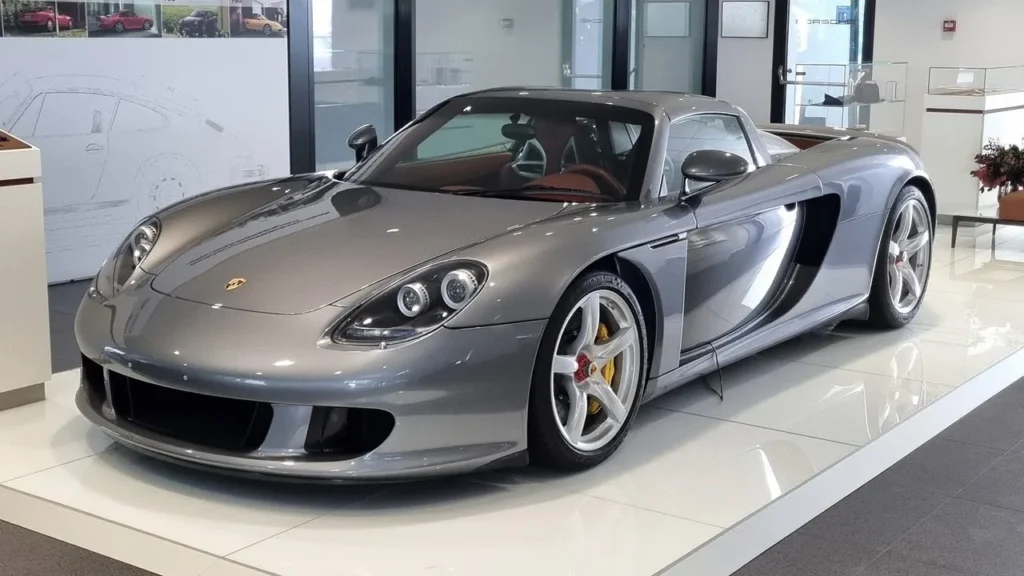
1. Porsche Carrera GT (2003–2006)
One of the most stunning—and intimidating car ever produce is the Porsche Carrera GT. Its 5.7-liter naturally aspirated V10 engine generate 603 horsepower and is only mated to a 6-speed manual gearbox. No traction control. No management of stability. Physics versus driver skill alone.
The Carrera GT’s rapid loss of grip, rather than only its speed was what made it so deadly. Even seasoned drivers were taken off guard by snap oversteer at high speeds. Porsche later created updated tires to increase stability, but the car’s reputation was already set.
The Carrera GT is still revered and feared in equal measure today demonstrating that pure engineering genius can also be merciless.
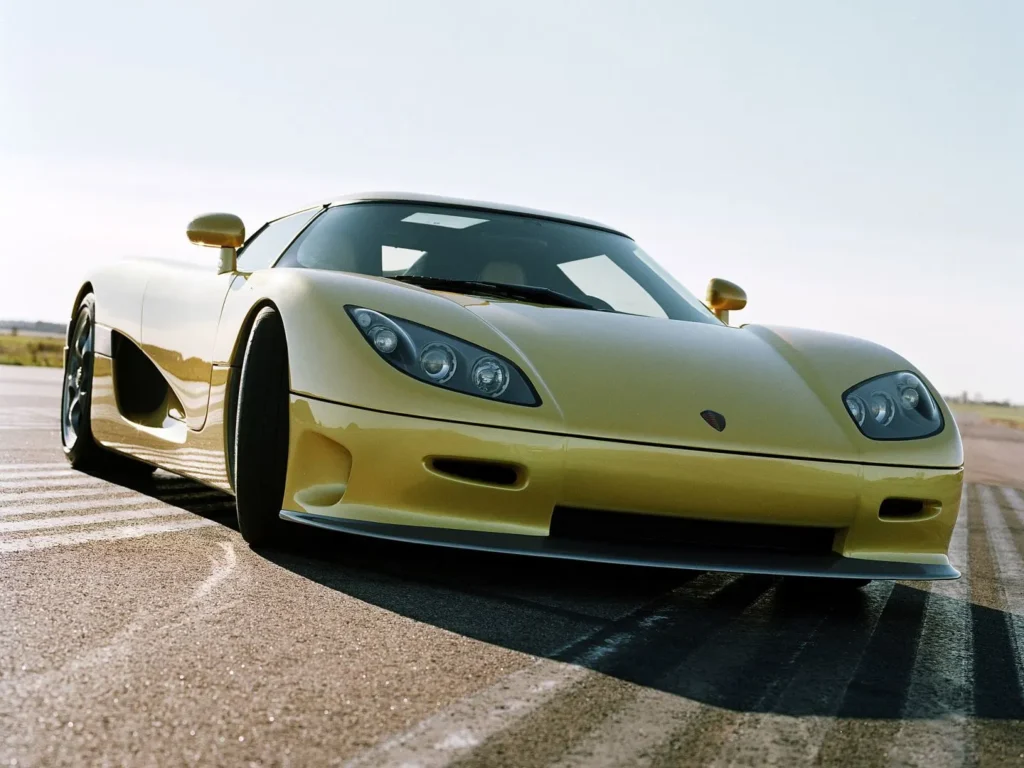
2. Koenigsegg CCR & CCX (2004–2010)
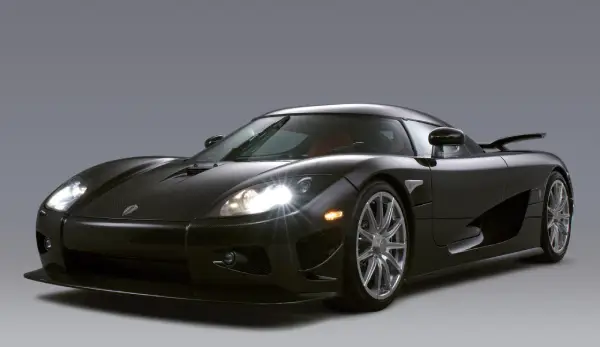
Before Koenigsegg became a master of advanced aerodynamics and active system it built brutally fast machines that relied more on courage than calculation.
The CCR and early CCX model produced over 800 horsepower and could exceed 240 mph. The problem? High-speed stability. Early versions lacked sufficient downforce, making them unpredictable when pushed hard.
Famously even Top Gear’s Stig struggled to keep one in a straight line. Koenigsegg eventually added aerodynamic upgrades, but those early cars remain some of the most thrilling—and risky—hypercars ever created.
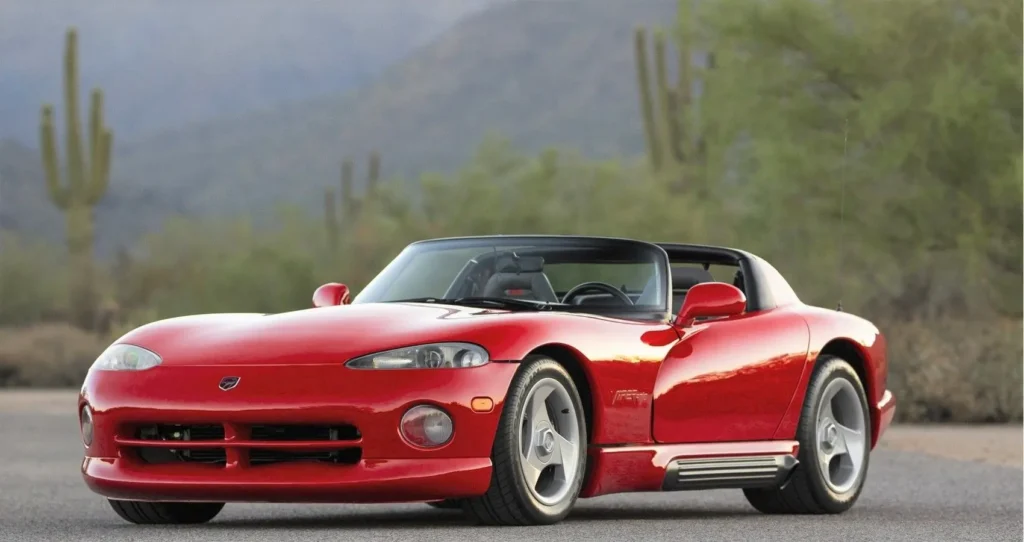
3. Ward off Viper Gen 1 (1992–2002)
America’s unreserved response to European supercars was the first-generation Dodge Viper. Its 8.0-liter V10 engine, which was first developed with Lamborghini, produced enormous torque without the need of any electronics.
No ABS. No traction control. Airbags are absent. Just 400 horsepower is delivered directly to the back wheels.
Errors were not forgiven by the Viper. The car could go sideways in an instant due to a weak throttle input or a botched shift. Owners frequently made jokes about the Viper’s constant attempts to murder its driver, and this reputation wasn’t entirely unfounded.
Although Gen 1 Viper are now extremely valuable, only the courageous should try to drive them hard.
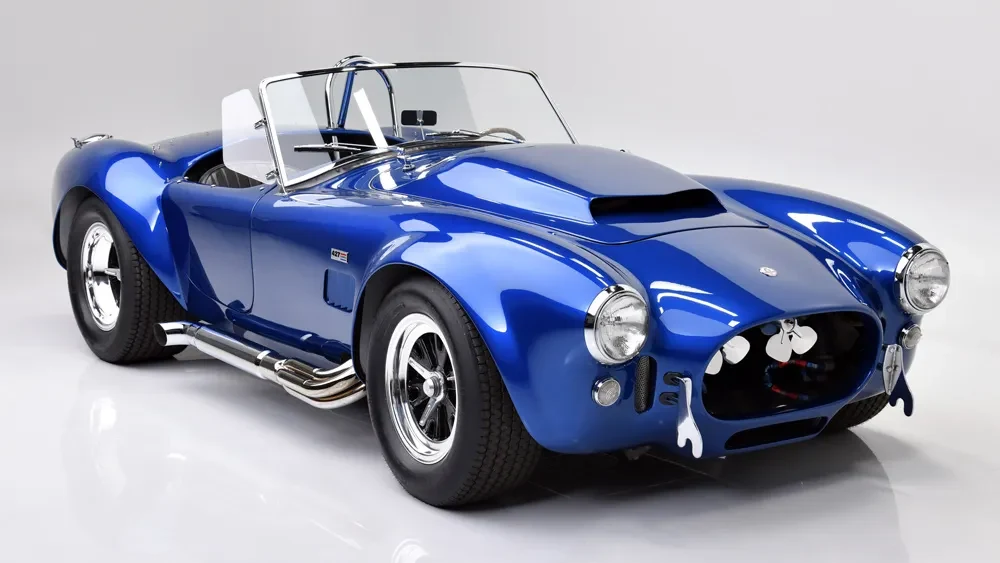
4. Shelby Cobra 427 tremendous Snake (1966–1967)
Already the Shelby Cobra was crazy. By adding a double supercharger to its 7.0-liter V8 engine which generates around 800 horsepower, Carroll Shelby chose to take it even further.
All of that power was put into a small, light roadster with a three-speed automatic transmission, no chassis rigidity and no safety equipment. The car was so terrifying that comedian Bill Cosby famously gave his away after a single drive.
Only two Super Snakes were ever built. One was lost in a fatal crash, while the surviving example sold for over $5 million—proof that danger often increases value.
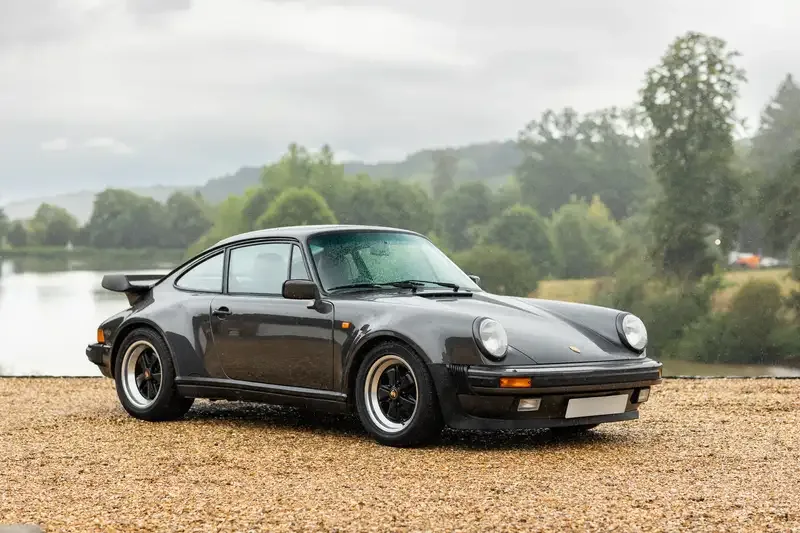
5. Porsche 930 911 faster Widowmaker (1975–1989)
The Porsche Turbo truly deserve its moniker. Nothing happened below 3,000 RPM due to massive turbo latency yet all of a sudden everything happened at once.
The automobile was very challenging to manage on winding roads because of its powerful boost, rear-engine configuration and lack of driving aids. Many driver underestimated it, only to learn too late about its devastating power delivery.
These days 911 Turbos are sophisticated, all-wheel-drive rockets. However the 930 continue to serve as a reminder of Porsche most brutal period.
Final Thought
These vintage supercar weren’t built for comfort or safety they were built to push boundaries. They demanded skill, respect and restraint. In return, they delivered an experience that modern, computer-controlled supercars can’t replicate.
They are risky, collectible, unforgettable—and absolutely legendary.
So, which one would you dare to drive?
FAQs
Q: Are vintage supercar more dangerous than modern supercar?
A: Yes Most vintage supercar lack electronic stability control, traction control and advance braking system making them far less forgiving than modern equivalent.
Q: Is the Dodge Viper Gen 1 safe to drive today?
A: It’s safe when driven responsibly but it requires experience. Without modern safety systems, mistake can escalate quickly.
Q: Are risky supercars more collectible?
A: Often yes Cars with extreme performance, limited production and legendary reputations tend to command higher values over time.
Also read: 2025 Kia Seltos overview: Hybrid energy, Tech upgrades & Why It’s a large Deal inside the U.S.