
Legendary Cars With Fiberglass Bodies: Every pound matters when it comes to high-performance vehicles. For this reason fiberglass bodywork were used in some of the most recognizable automobiles in history. Fiberglass was lighter, stronger, and more resistant to corrosion which allowed these legends to move more quickly, handle more skillfully, and stand out from the crowd. These five production vehicles are masters of the fiberglass craft.
1. America’s Fiberglass Pioneer: The Chevrolet Corvette
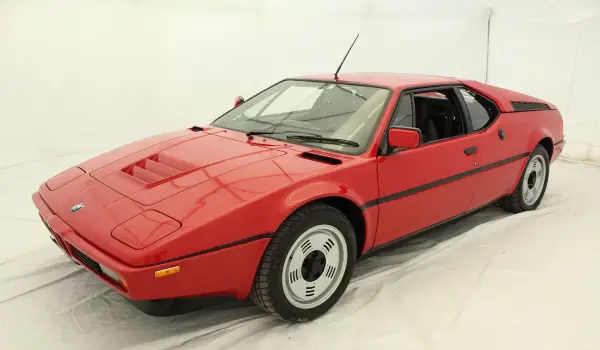
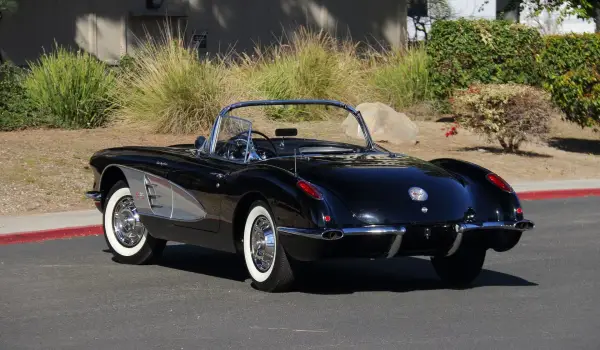
More than just a car the Corvette is a legend. When the Corvette was introduced at GM Motorama in 1953 it was among the first mass-produced automobiles with a completely fiberglass body. Despite initial worries about durability the composite body proved popular because it provided European inspired elegance at a fair price.
While You Care for Your Car, Care for Your Child’s Future Too 💖
A fun and educational book every parent should gift their kid.
 Get Kiddy Store Fortune Now
Over time Corvette models continued to employ fiberglass, but eventually switched to GM’s proprietary SMC composite. The durability of fiberglass is demonstrated by the C8 Corvette, America’s favorite sports car which still uses reinforced composites today.
2. Studebaker Avanti: The Undiscovered Treasure
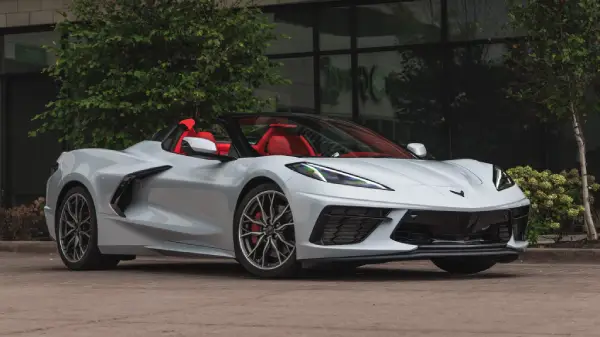
Although the Studebaker Avanti is a true masterpiece other American classics have subsequently surpassed it. Constructed between 1962 and 1963, the Avanti’s lightweight fiberglass body enabled its 289-ci V8 to achieve impressive speeds.
It was the only car of its era to combine performance and luxury and fewer than 4,600 were made. The Avanti is now considered a cult masterpiece by devotees, even though construction was regrettably interrupted by financial constraints.
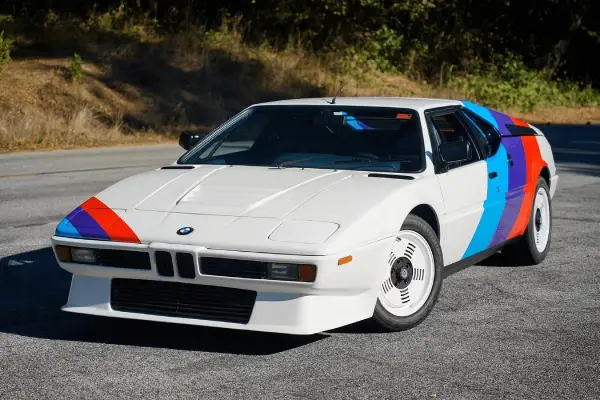
3. Germany’s Mid-Engine Masterpiece: The BMW M1
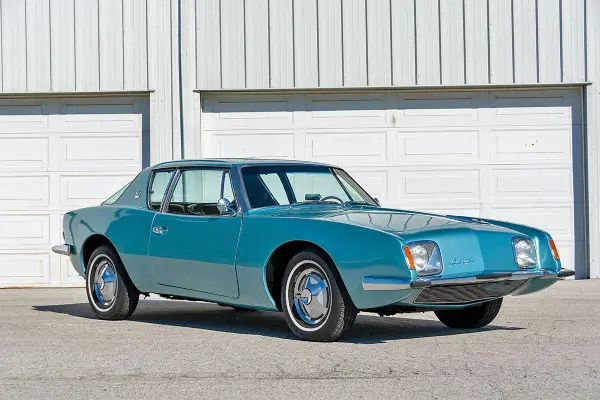
The M1 the Bavarian brand’s first mid-engine supercar, violated all the norms in the 1970s. The fiberglass body of the M1, which was designed by Giorgetto Giugiaro and was influenced by the BMW Turbo concept decreased weight and improved performance.
When paired with a 3.5-liter inline six engine that produced 273 horsepower the M1 had an impressive acceleration time of 5.6 seconds from 0 to 60 mph. Unmistakably BMW, lightweight, and exotic the M1 laid the groundwork for the company’s subsequent supercars.
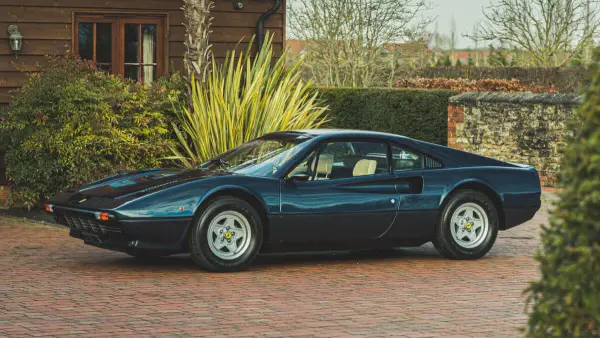
4. Ferrari 308 GTB Vetroresina hosts an Innovation and Italy Meet
Ferrari changed their approach in 1975 with the introduction of the 308 GTB. Its fiberglass body called the Vetroresina in Italian and its gorgeous Pininfarina design made it lighter and more nimble than its predecessor.
Prior to Ferrari switching to steel only 800 fiberglass units were produced; therefore these uncommon versions are now in great demand. It was Ferrari’s first road vehicle to use fiberglass demonstrating that Italian style and lightweight innovation could coexist.
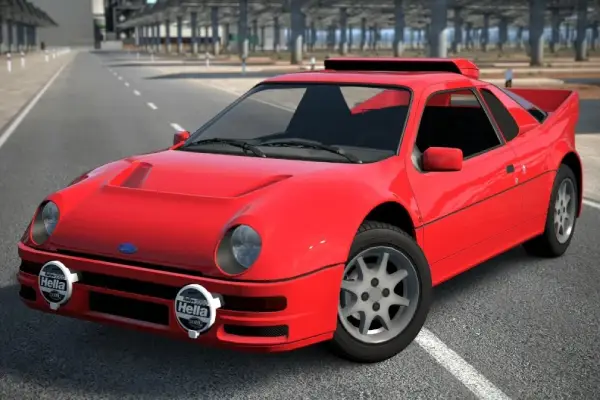
5. Ford RS200: Fiberglass Rally Legend
Dominating Group B rally racing was the sole purpose for which the Ford RS200 was designed. One of the most extreme homologation specialties ever made, it had a mid-engine, 4WD, and a fiberglass body made by Carrozzeria Ghia in Italy.
Despite Group B’s brief existence, the RS200 became an immediate legend due to its lightweight body and race-ready design. Collectors are still quite interested in street versions.
Final Thoughts:
Fiberglass wasn’t just a material—it was a revolution. From American muscle to Italian elegance and German engineering, these five cars prove that lightweight composites can make legends. Whether it’s speed, handling, or iconic design, fiberglass helped these models leave a mark that steel could never match.
FAQ’s
Q1: Why did car manufacturer use fiberglass bodies?
A: Fiberglass reduce weight improves corrosion resistance and enhances performance making it ideal for sports and high performance car.
Q2: Are fiberglass car still made today?
A: Yes modern car use advanced composite like carbon fiber and SMC especially for sports car and luxury vehicle.
Q3: Which fiberglass bodied car is the most collectible today?
A: Rare model like the Ferrari 308 GTB Vetroresina and BMW M1 are highly collectible due to their history rarity and performance.
Also Read: 10 Electric SUVs With the Most Cargo Space in 2025 (Ranked!)