
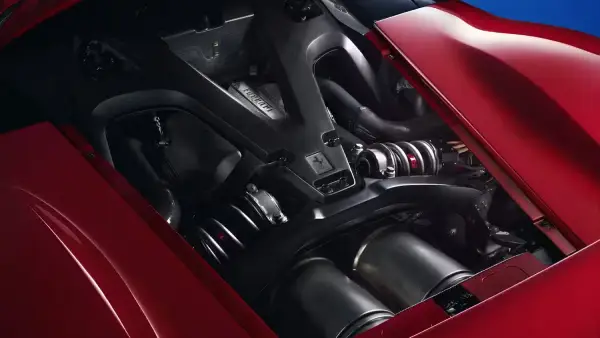
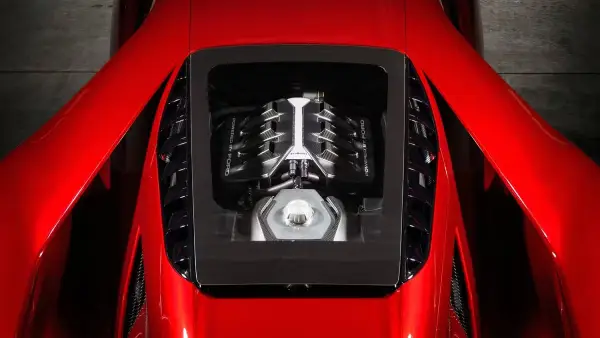
Cars With V6 Engines That Prove You Don’t Need A V8: For decade the V8 has been treat like the ultimate badge of performance. More cylinder, more power, more bragging rights right? Not anymore.
The rules have been entirely revised by modern engineering. The V6 has become one of the most potent weapons in the world of performance cars because to turbocharging, hybrid systems, lightweight materials, and clever packaging. Some of the fastest and most sophisticated machines on the market today not only match but surpass their V8-powered competitors.
While You Care for Your Car, Care for Your Child’s Future Too 💖
A fun and educational book every parent should gift their kid.
 Get Kiddy Store Fortune Now
From Nürburgring-dominating sedans to Le Mans–bred hypercars, these 10 V6-powered cars prove that brute displacement is no longer king.
And no, this isn’t about compromise. This is about evolution.
Why V6 Engines Are Outsmarting V8s Today
Before we dive into the list, here’s why the V6 has become such a performance powerhouse:
- Turbocharging & electrification extract massive power from smaller engines
- Lighter weight improves handling, balance, and braking
- Better packaging allows mid-engine and hybrid layouts
- Efficiency gains meet modern emission rules without killing speed
The result? Car that are quicker, sharper and often more advance than their V8 counterpart.
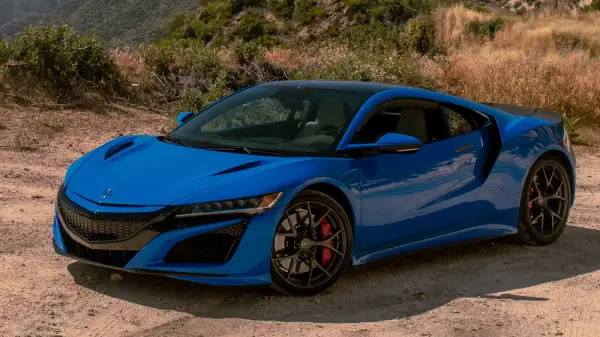
1. Acura NSX (Second Generation)
Twin Turbo 3.5L V6 + Three Electric Motor
The modern NSX is the definition of “brains over brawn.” Its hybrid V6 setup delivers instant torque, mind-bending traction, and supercar performance without relying on a big-displacement engine. It not only keeps up with V8 exotics but it also demonstrates how the future operates.
Why it matters: Real-world speed, balance, and precision outweigh engine size.
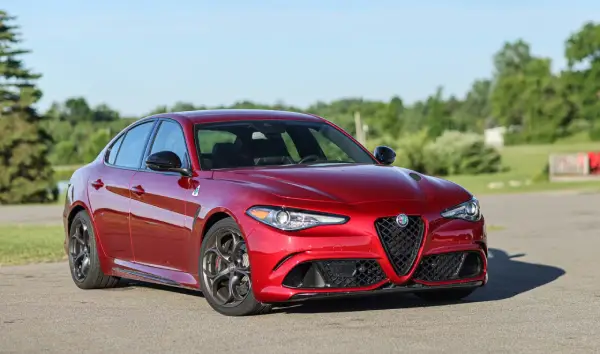
2. Alfa Romeo Giulia Quadrifoglio
2.9L V6 Twin-Turbo
This Italian sedan is proof that four doors don’t mean boring—and V6 doesn’t mean weak. The Giulia Quadrifoglio which was created with Ferrari DNA, offer one of the greatest exhaust notes in the class, rapid acceleration and razor sharp handling.
V8 competitor humiliated: Mercedes-AMG E63, BMW M5
Bonus: At the Nürburgring this car was among the fastest ever.
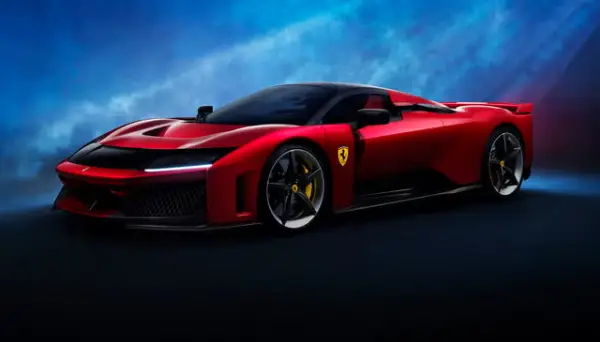
3. Ferrari F80
3.0L V6 Twin Turbo Hybrid
It would have been unimaginable for Ferrari to switch from a V12 flagship to a V6 year ago. Today? It makes perfect sense. Derived from Ferrari’s Le Mans–winning race car, this electrified V6 produces hypercar-level performance that old-school engines simply can’t match.
Takeaway: Technology has officially beaten tradition.
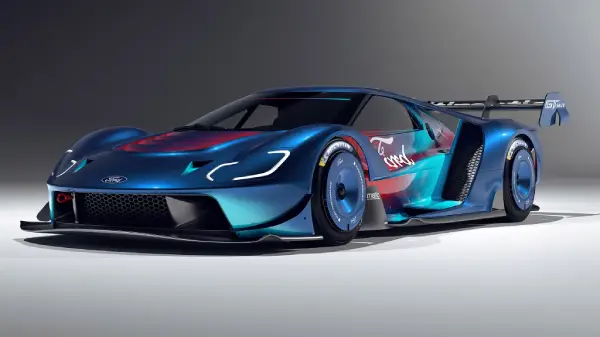
4. Ford GT
3.5L V6 Twin-Turbo
Ford selected a V6 to win, not out of nostalgia. And it did. At Le Mans the GT’s small, turbocharged V6 provided superior aerodynamics, balancing, and endurance benefits that translated into devastating road performance.
Fun fact: Compare to many V10 and V12 supercar it accelerate more forcefully.
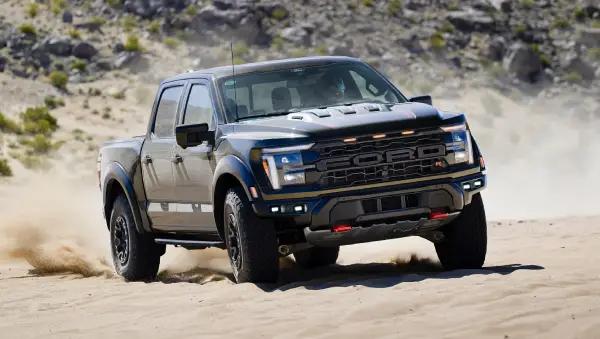
5. Ford F-150 Raptor (V6 Era)
3.5L V6 Twin Turbo
When Ford abandoned the V8, truck enthusiasts were dubious, but the Raptor’s V6 quickly disproved them. Massive torque, better weight distribution, and improved efficiency made it a monster both on trails and highways.
Lesson learned: Cylinder count doesn’t define toughness.
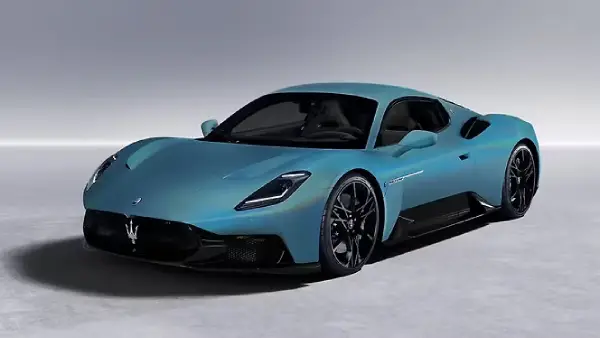
6. Maserati MC20 / MCPura
Twin-Turbo 3.0L “Nettuno” V6
This is one of the most advanced V6 engines ever put in a road car. Inspired by Formula 1 tech, Maserati’s Nettuno engine uses pre-chamber combustion to deliver insane power and response.
Result: A supercar that rivals V12 legends—with fewer cylinders and more brains.
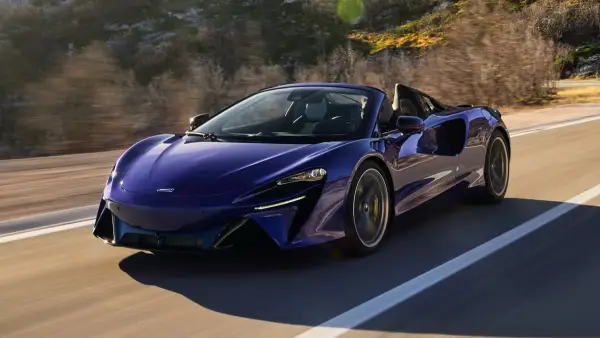
7. McLaren Artura
2.9L V6 Hybrid Twin-Turbo
The Artura demonstrates how contemporary supercars are developing by being lightweight, electric, and incredibly quick. Older V8 McLarens cannot match the immediate torque and precision provided by its V6 hybrid arrangement.
The main benefit is that electric torque plus a carbon-fiber chassis equals incredible speed.
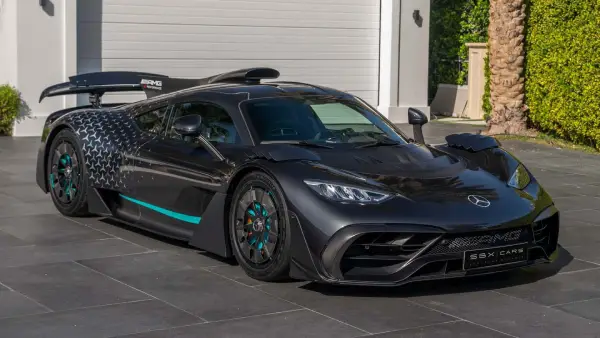
8. Mercedes-AMG One
1.6L Turbocharged V6 Hybrid (F1-Derived)
Yes, this is basically a Formula 1 engine with license plates. It revs to the stratosphere, relies on electric motors for torque fill, and delivers performance that borders on unreal.
Reality check: A V6 just replace the most extreme engine ever built.
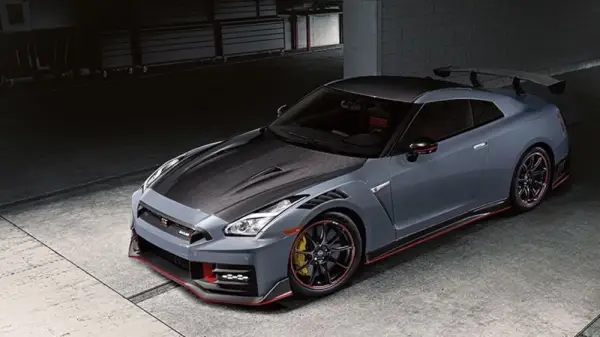
9. Nissan GT-R (R35)
3.8L V6 Twin Turbo
The GT-R embarrassed V8 supercars in addition to challenging them. For nearly two decades, its hand-built V6 has proven nearly unbreakable, endlessly tunable, and devastatingly quick.
Why it’s legendary: Performance that punches far above its price—and cylinder count.
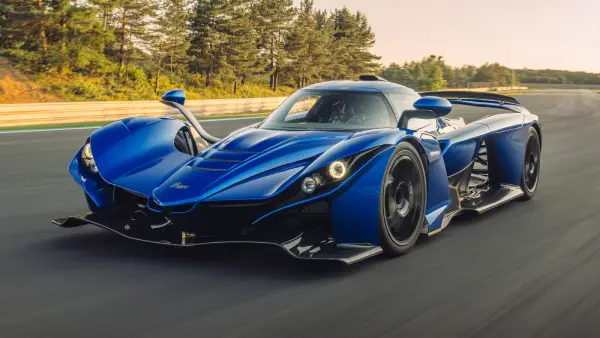
10. Praga Bohema
3.8L V6 Twin-Turbo
Power-to-weight is the main focus of the Bohema, which is based on a substantially modified GT-R engine. Its V6 produce performance that challenges far more potent hypercars with just over 2,100 pounds to move.
Amazing statistic: Almost as quick on the track as a V12 Aston Martin Valkyrie.
The Big Takeaway
V8s aren’t obsolete—but they’re no longer essential.
Today’s V6 engines:
- Make more power per liter
- Deliver better balance and efficiency
- Enable hybrid and mid-engine layouts
- Often outperform larger engines outright
The future of performance isn’t about cylinder count—it’s about engineering intelligence.
Final Word
If you still think performance is all about engine size, these cars tell a very different story. The V6 has grown up, leveled up, and in many cases—won outright.
And honestly? The V8 has never had smarter competition.
FAQs
Q: Why are supercars switching to V6 engine?
A: Smaller engine allow better packaging, lighter weight, lower emission and easier hybrid integration all while improving performance.
Q: Do V6 cars sound worse than V8s?
A: Different not worse. Many modern V6 especially Ferrari and Alfa Romeo unit produce aggressive, high-revving exhaust notes.
Q: Is a V6 more reliable than a V8?
A: Often yes Fewer moving part and better thermal efficiency can improve long term reliability when engineered correctly.
Q: Will V8 engines disappear?
A: Not entirely but they’re becoming rarer as automaker chase efficiency, emissions compliance and electrification.
Also Read: World’s Newest, Prettiest, Ford V8-Powered Supercar Is Edging Closer To Production