
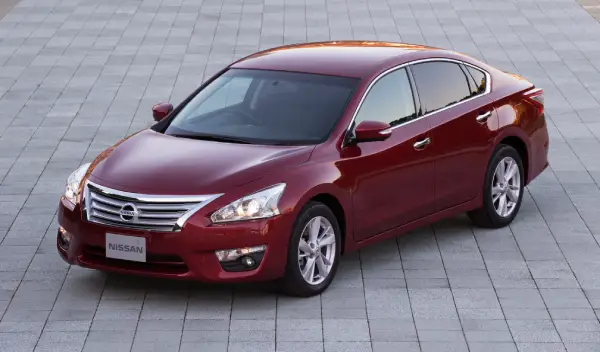
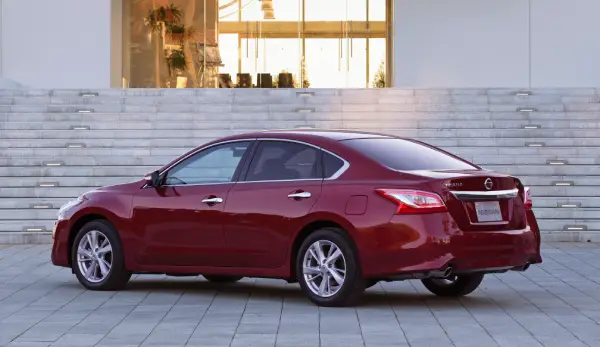
Nissan Altima Reputation Outside the U.S.: In the United States, the Nissan Altima has become somewhat of a joke if you spend enough time on automotive forums or social media. Fair or not, it’s frequently associated with dubious driving practices, shabby vehicle and reliability issues—particularly when discussing older fourth- and fifth-generation cars.
The Altima has a completely different reputation outside of the United States, which is a twist that most American drivers are unaware of.In fact, in places like Japan, the Middle East, and China, it’s been seen as respectable, comfortable, and even quietly premium. Same car. Same bones. Totally different image.
While You Care for Your Car, Care for Your Child’s Future Too 💖
A fun and educational book every parent should gift their kid.
 Get Kiddy Store Fortune Now
So how did that happen? Let’s take a quick trip across borders.
Before Altima, There Was the Bluebird
Long before Americans knew the Altima name, Nissan had something called the Nissan Bluebird. This wasn’t some obscure side project—it was a legendary sedan line dating all the way back to the 1950s and even connected to icons like the Datsun 510.
When the Altima launched in the early 1990s it was essentially a rebadged Bluebird for the U.S. market. And in Japan, the Bluebird wasn’t treated like an appliance car. Some versions even leaned sporty, including a turbocharged, all-wheel-drive variant inspired by tech found in the Nissan Skyline GT‑R. That alone tells you the Bluebird—and early Altima DNA—was never meant to be boring.
Two Markets, Two Personalities
As time passed, Nissan began modifying its midsize car for the region where it was sold. The American Altima was well-liked by rental fleets and consumers on a tight budget because of its emphasis on value, size, and efficiency.
The Nissan Teana, on the other hand is a completely different version of the same basic automobile in Japan and much of Asia.
The Teana’s marketing focused on comfort, leisure and understated luxury rather than sports advertisement and spec-sheet boasting. Imagine stress-free commuting, comfortable seats, and smooth trip. It was a car for people who took pride in having something sophisticated, not for show.
Same Car, Different Reputation
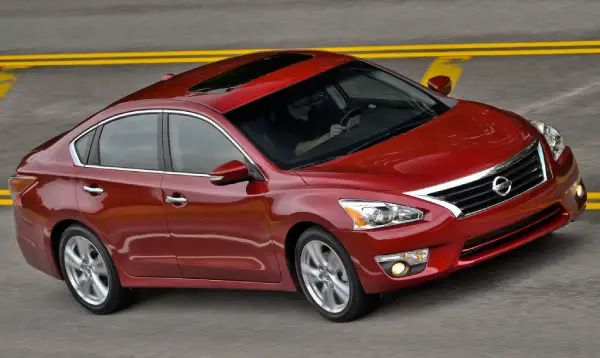
By 2014 the Altima and Teana became global twin, sharing the same platform and mechanicals. Yet the perception gap remained huge.
In Japan, Teana owners were typically older professionals who maintained their cars well and drove them gently. As a result, used examples there often age beautifully. Meanwhile in the U.S., Altimas were everywhere—cheap to buy, easy to finance and often neglected. Over time, internet stereotypes took over and the reputation snowballed.
Interestingly, in regions like the Middle East, Altimas have proven surprisingly durable, even in harsh climates. That alone suggests the car’s image has less to do with engineering—and more to do with how and where it’s used.
What This Says About Car Reputation
The Altima story is a reminder that a car’s legacy isn’t universal. One market’s meme can be another market’s respectable daily driver. In China the Teana version is still positioned as a tech-filled, near-luxury sedan. In the U.S., the Altima is still fighting old stereotype even as newer generations improve refinement and reliability.
Same platform. Same badge family. Completely different lives.
Final Thoughts
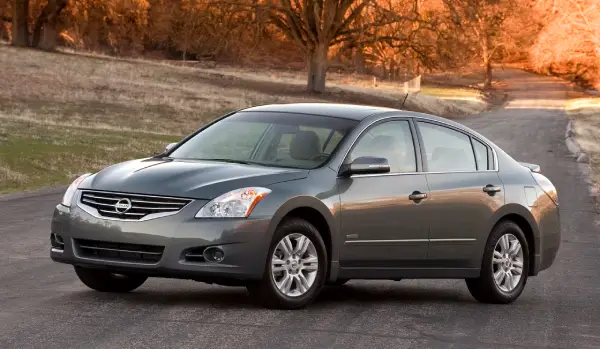
Whether you like it or not, the Nissan Altima is much more interesting than its internet persona indicates. Outside of America, it has led a more subdued, dignified life, molded by meticulous ownership and luxury-focused branding. This contrast demonstrates that reputations are not earned by cars; rather, people give them one.
FAQs
Q1. Is the Altima more reliable outside the U.S.?
A: The car itself is similar but better maintenance and different ownership pattern abroad help it age more gracefully.
Q2. Was the Altima ever considered sporty?
A: Its Japanese roots trace back to the Nissan Bluebird which had performance-oriented trims with turbocharging and AWD.
Q3. Is the Nissan Altima still sold globally today?
A: It’s now limited to market like North America, China, and parts of the Middle East as midsize sedans decline worldwide.
Also Read: How Long Does a Hybrid Car Battery Really Last? The Truth Most Owners Don’t Know