
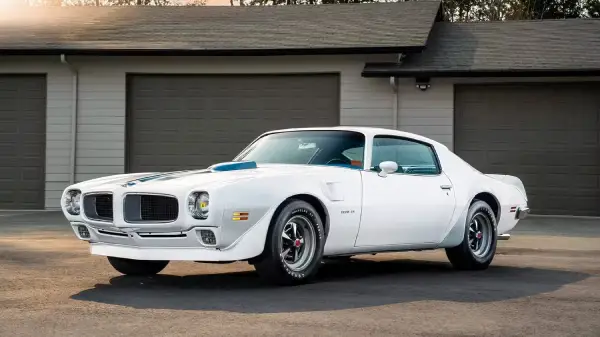
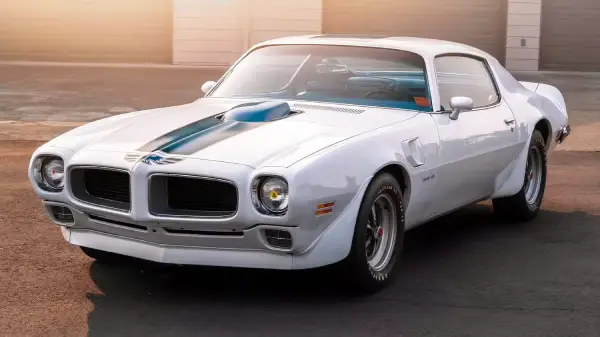
Phantom Pontiac Muscle Car Gen-Z Doesn’t Know: The 1970 Pontiac Firebird Trans Am 4-Speed wasn’t built to go viral it was built to perform. And that is exactly why it still matter today.
Some muscle cars shout. Others whisper.
While You Care for Your Car, Care for Your Child’s Future Too 💖
A fun and educational book every parent should gift their kid.
 Get Kiddy Store Fortune Now
The loud ones became movie stars, poster cars, and TikTok legends. The quiet ones? They slipped through the cracks—especially for Gen-Z gearheads raised on instant hype, algorithms, and instantly recognizable badges.
And that’s exactly where the Pontiac Firebird Trans Am 4-Speed live.
It’s a car that arrived at the absolute peak of the muscle-car era packed serious hardware from day one, and yet somehow avoided becoming mainstream. Not because it lacked performance—but because Pontiac built it with purpose, not popularity, in mind.
This is the phantom Pontiac muscle car Gen-Z probably doesn’t know about… and absolutely should.
Why the 1970 Trans Am Feels Invisible Today
Let’s be clear—this isn’t about calling younger enthusiasts “clueless.” Far from it. This is about bringing attention to a car that, despite laying the groundwork for everything that followed didn’t receive the pop-culture boost of later Trans Ams.
Although Pontiac debuted the Firebird Trans Am in 1969 it wasn’t until 1970 that it really took off. It was constructed during a time when muscle vehicles were changing from straight line bruiser to true performance machines and it was significantly revised, sharper and more focused.
The problem? It landed right between eras.
Too late to be a raw first-wave muscle car. Too early to benefit from the fame of the later second-gen Trans Ams. That timing alone is a big reason it still flies under the radar.
A Muscle Car That Cared About Corners, Not Just Burnouts
What separates the 1970 Trans Am from many of its rivals is simple: Pontiac wasn’t just chasing quarter-mile bragging rights.
Under the hood sat Pontiac legendary 400-cubic-inch V8, most commonly the Ram Air III, pushing 335 horsepower through a close-ratio Muncie four-speed manual. Zero to 60 came in around 5.5 second with quarter-mile runs in the high-13s—strong numbers for the era.
But here’s the part modern stats don’t show.
Pontiac engineered the Trans Am to handle sustained abuse. This wasn’t a one-pull wonder. It was meant to be driven hard, turned aggressively and brought back for more.
That mindset earned the Trans Am credibility in motorsports circles and it’s why the car still feels relevant today even next to modern performance machines.
Built in Shockingly Low Numbers
If the Trans Am feel rare that’s because it is.
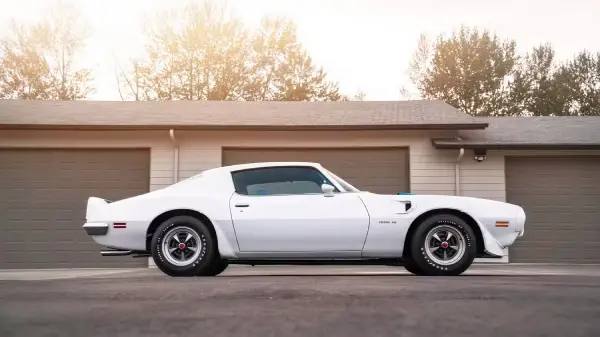
In Pontiac built fewer than 50,000 Firebird total. Out of those only 3196 were Trans Ams. That made it the rarest Firebird of the model year by a wide margin.
To put that into perspective
- Chevy built nearly 9,000 Camaro Z/28s
- Plymouth made 2,724 AAR Cudas
The Trans Am wasn’t meant to flood showrooms. It was Pontiac making a statement: this is what happens when we build a no-compromise performance car.
That scarcity is a huge reason you don’t see them everywhere and why surviving examples are so respected today.
Real Performance Hardware, Right From the Factory
This wasn’t a stripe-and-spoiler special.
The 1970 Trans Am came loaded with serious hardware:
- Heavy-duty suspension with larger stabilizer bar
- Power assisted front disc brake (still not universal in 1970)
- Functional hood scoops and upgraded cooling
- Chassis tuning designed for balance, not just brute force
Pontiac built the Trans Am as a complete package not just an engine wrapped in sheet metal. Many muscle cars of the era could sprint—but few could do it repeatedly without falling apart.
That’s what made the Trans Am different.
Why It Still Doesn’t Get the Respect It Deserves
So why isn’t the 1970 Trans Am a household name?
Three big reasons:
- Low production numbers meant fewer cars survived
- Many were driven hard, raced, or modified beyond recognition
- Later Trans Ams stole the cultural spotlight
The 1970 model sit in an awkward historical gap. It’s foundational but not flashy. Influential—but not iconic in the mainstream sense.
That doesn’t make it irrelevant. It makes it rare.
And No—It’s Not Cheap
Just because something flie under the radar does not mean it’s affordable.
According to market data Pontiac Firebird Trans Am 4 Speed value typically range from about $70,000 to over $120,000. Clean, original examples regularly push six figures—especially when sold through platforms like Bring a Trailer.
One recent pearly white example with a blue stripe sold for around $120,000 even with a replacement 400 V8. That tells you everything you need to know about how collectors view this car.
Quiet legend or not—this is serious money.
Why Gen-Z Gearheads Should Care
The 1970 Pontiac Firebird Trans Am 4-Speed represents something rare today: intentional design.
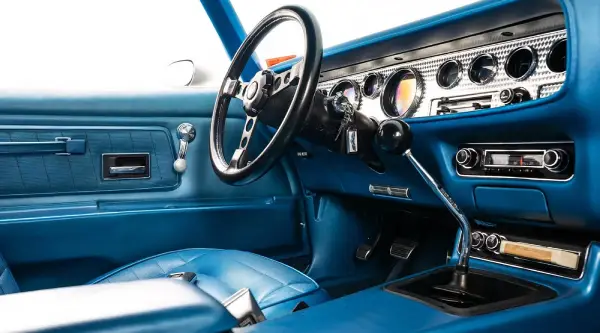
It wasn’t built for clout. It wasn’t chasing trends. It was engineered to balance power, handling, durability, and driver involvement at a time when muscle cars were at their peak.
It doesn’t scream for attention—and that’s exactly why it deserves it.
If you’re a Gen-Z enthusiast who values authenticity over algorithm the 1970 Trans Am isn’t just a history lesson. It’s proof that some of the best cars ever made didn’t need hype to be great.
FAQs
Q: Is the Trans Am a good investment car?
A: Yes Values have remain strong with clean example regularly selling between $70,000 and $120,000+ driven by rarity and historical significance.
Q: Why doesn’t the 1970 Trans Am get as much attention as later models?
A: Later second generation Trans Ams became pop-culture icons. The 1970 model arrived earlier and in lower number keeping it out of the mainstream spotlight.
Q: Is the Trans Am more about handling than straight line speed?
A: Absolutely While it was quick, Pontiac focused heavily on suspension, braking and balance making it one of the most well rounded muscle car of its era.
Also Read: Is the 2026 Lexus NX Hybrid the Best Value Luxury SUV Right Now?