
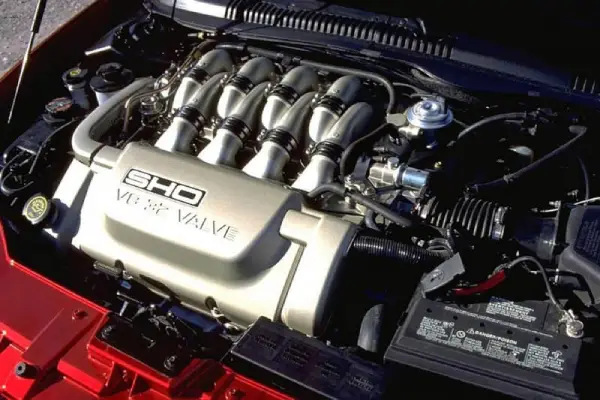
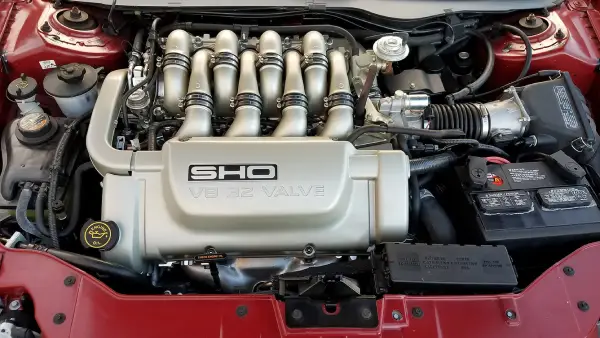
Tiniest V8 Engines: When you think of V8 engines most people picture monstrous, thunderous powerplant roaring down a straightaway. But not all V8 are about sheer displacement or brute force. Some are tiny marvels of engineering, designed for high revs, precision, and surprisingly thrilling performance. From rare Italian sports cars to quirky European sedans, these small-capacity V8s prove that big excitement can come in small packages.
Here’s our roundup of the 10 tiniest V8 engines ever in production cars—some historic, some exotic, all fascinating.
While You Care for Your Car, Care for Your Child’s Future Too 💖
A fun and educational book every parent should gift their kid.
 Get Kiddy Store Fortune Now
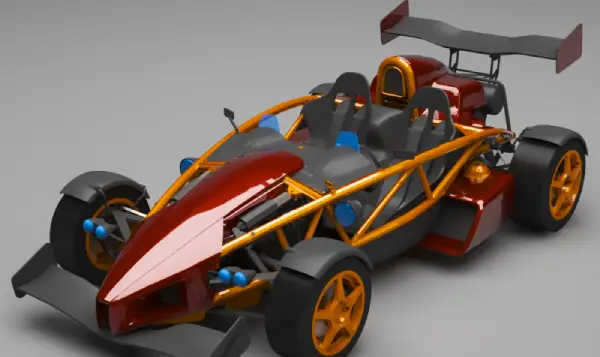
1. Ariel Atom 500 – 3.0L V8
- 3.0-liter V8 engine
- 500 horsepower
- 267 lb-ft of torque
- 2.5 seconds from 0 to 60 mph
What should you do if you have two Suzuki Hayabusa engine lying around? You build a 1,300 pound Ariel Atom with a V8 engine that generate 500 horsepower if you are John Hartley. Each of the 25 Atom 500s produce is a stunning illustration of high-revving, lightweight design.
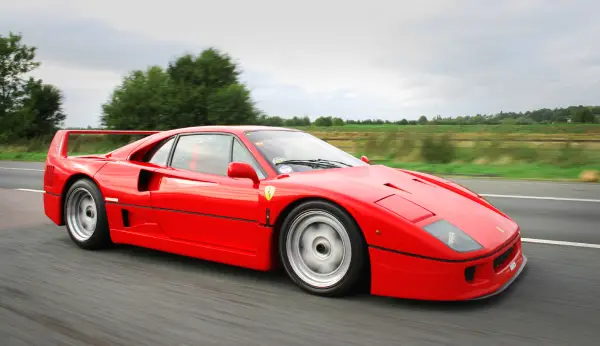
2. Ferrari F40 – 2.9L Twin-Turbo V8
- 2.9-liter twin turbo V8 engine
- 478 horsepower
- 425 lb-ft of torque
- 4.1 second from 0 to 60 mph
There is no need to introduce the Ferrari F40. Its mid-mounted, twin-turbo 2.9-liter V8 made a statement in addition to being fast. The F40 continues to be the epitome of the union of compact displacement with fierce performance, with a peak speed of 200 mph and legendary handling.
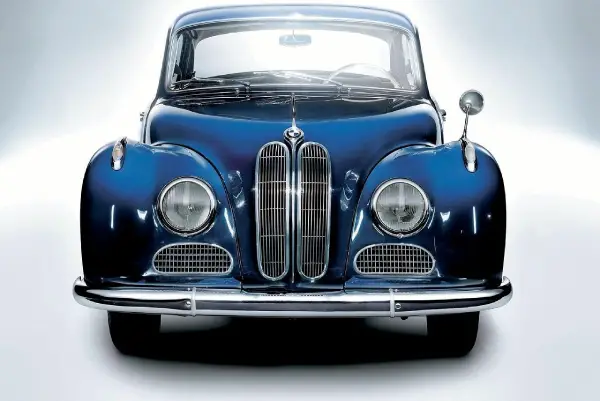
3. BMW 501/502 – 2.6L V8
- 2.6-liter V8 engine
- 100 horsepower
- 132 lb-ft of torque
- 13 seconds (estimated) from 0 to 60 mph
BMW aluminum V8 from the mid 1950s was all about luxury with a dash of performance. The 501 and 502 were big sedan with a small 2.6-liter engine. By today’s standards, slow? Sure—but revolutionary at the time.
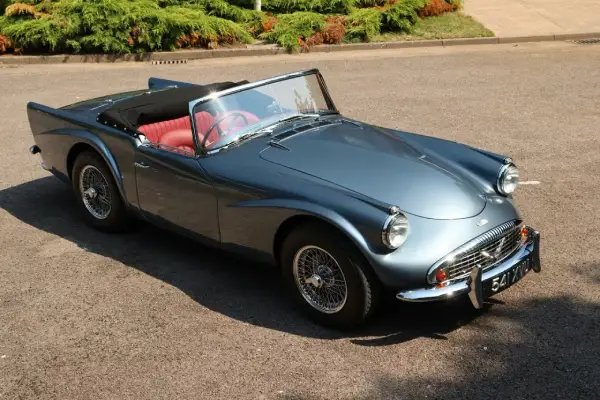
4. Daimler SP250 – 2.5L V8
- 2.5-liter V8 engine
- 140 horsepower
- 155 lb-ft of torque
- 8.9 seconds from 0 to 60 mph
Dubbed “the Dart” at its debut, the Daimler SP250 looked unconventional but packed a punch with its 2.5-liter V8. Popular among British police it could chase down troublemaker with authority while remaining a stylish statement on the road.
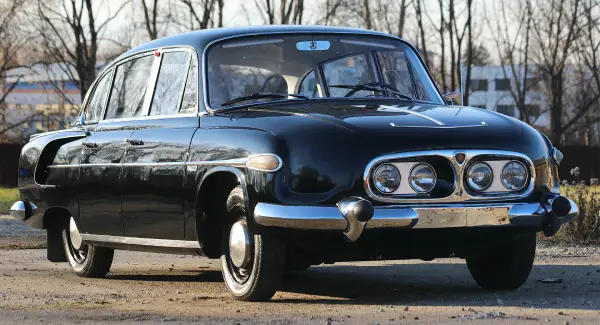
5. Tatra 603 – 2.5L Air-Cooled V8
- 2.5-liter V8 engine
- 100 horsepower
- 112 lb-ft of torque
- 8.5 second (estimated) from 0 to 60 mph
The official sedan of Czechoslovakia was the Tatra which had an air cooled, rear mounted V8 engine. Its peculiar appearance concealed a powerful engine that dominate some European racing classes and came to represent the inventiveness of engineering throughout the socialist period.
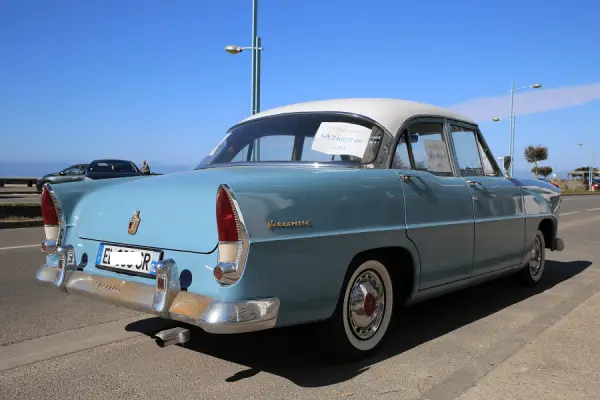
6. Simca Versailles – 2.4L Flathead V8
- 2.4-liter Flathead V8 engine
- 80 horsepower
- 125 lb-ft of torque
- 15 seconds (estimated) from 0 to 60 mph
The Simca Versailles combined American flathead V8 engineering with French styling. It wasn’t about speed—rather, stately luxury for executives, cruising along European roads with charm and presence.
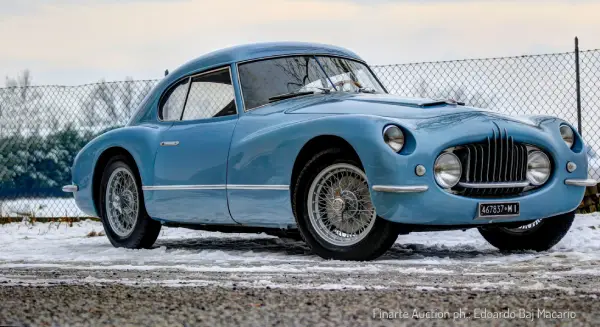
7. Fiat 8V – 2.0L V8
- 2.0-liter V8 engine
- 125 horsepower
- 110 lb-ft of torque
- 9 seconds (estimated) from 0 to 60 mph
Italy response to small-capacity racing V8s was the Fiat 8V. The 125 horsepower engine and lightweight chassis made it a powerful presence on the racetrack prove that engineer could blend grace and performance even if only roughly 110 were produce.
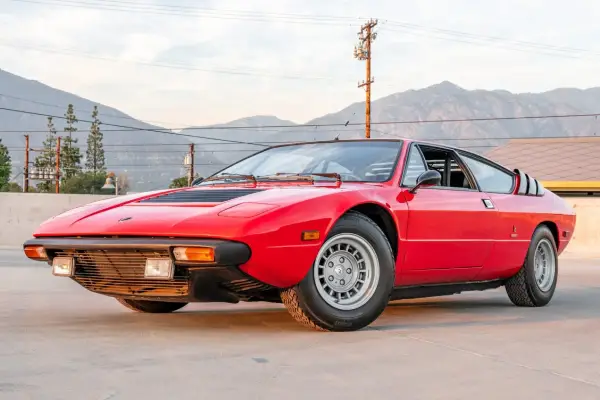
8. Lamborghini Urraco P200 – 2.0L V8
- 2.0-liter V8 engine
- 180 horsepower
- 130 lb-ft of torque
- 7.1 seconds from 0 to 60 mph
Italian tax laws kept engine size small, but Lamborghini didn’t compromise fun. The P200’s 2.0-liter V8 revved to 8,000 rpm, hitting 0–60 mph in just over seven second. It is a rare gem because just 70 P200 were produce.
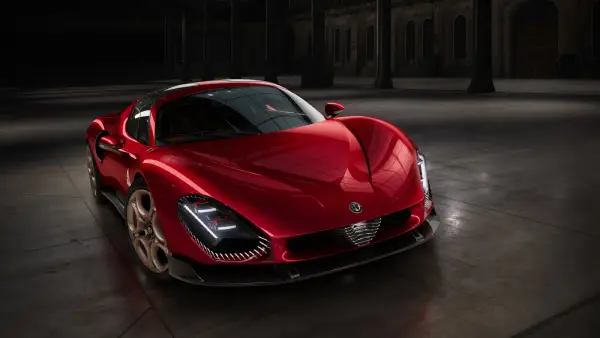
9. Alfa Romeo 33 Stradale – 2.0L V8
- 2.0-liter V8 engine
- 227 horsepower
- 152 lb-ft of torque
- 5.5 seconds from 0 to 60 mph
The Alfa 33 Stradale possessed race bred performance and was frequently praised as one of the most exquisite vehicles ever made. Its 2.0-liter V8 engine which can reach speeds of up to 9,000 rpm and 160 mph with ease, was taken directly from Alfa’s Tipo 33 race vehicle. There were just eighteen constructed.
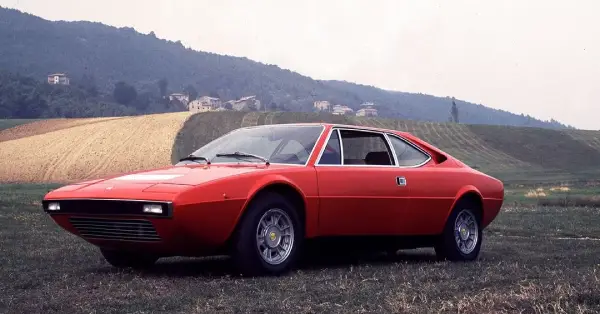
10. Ferrari 208 GT4 – 2.0L V8
- 2.0-liter V8 engine
- 170 horsepower
- 137 lb-ft of torque
- 8 seconds from 0 to 60 mph
With the smallest V8 Ferrari ever made for mass production the Ferrari 208 GT4 was Italy’s tax-friendly sports vehicle. It provided an exciting drive without going over budget or breaking the law thanks to its gated manual shifter and top speed of 137 mph.
Final Thought
Engineering genius isn’t always about size, as demonstrated by small V8 engines. These little V8s, which are lightweight, fast, and uncommon have made a significant impact on the history of automobile and serve as a reminder that sometimes less really is more.
FAQs
Q1: What is the smallest V8 engine ever produce?
A: The smallest production V8 is the Ferrari 208 GT4’s 1,991 cc engine created to comply with Italian tax laws.
Q2: Why do some car use tiny V8s instead of bigger engine?
A: Smaller V8s are often used for tax, weight or performance reason. They allow high revs and nimble handling while still delivering V8 character.
Q3: Are small V8s fast?
A: Yes While not all are about outright top speed many like the Ariel Atom 500 and Alfa 33 Stradale are exceptionally quick and agile due to low weight and high revving capabilities.
Also Read: 10 Sedans That Can Outrun a Porsche 911 in a Straight Line