
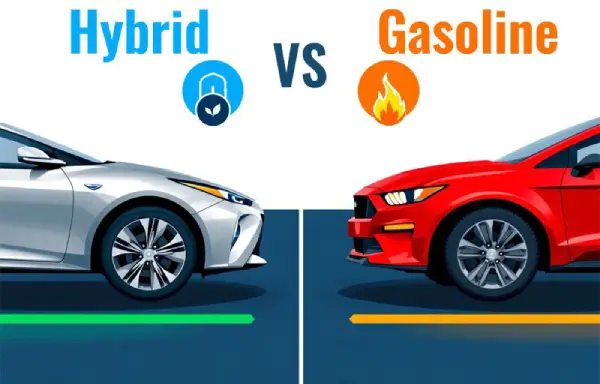
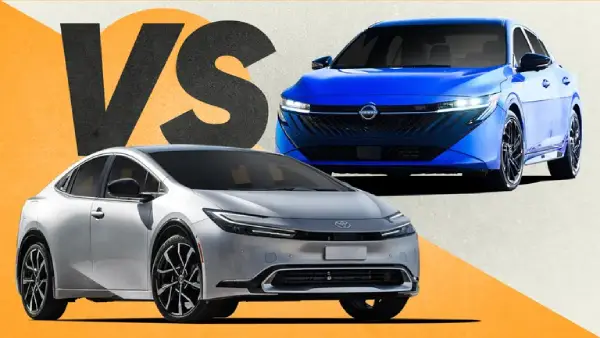
Hybrid vs Gas Cars: It’s not as easy as it once was to decide between a hybrid and a conventional gas powered car. Hybrids are becoming popular, useful, and frequently the default option rather than specialized, environmentally exclusive solutions. In 2026 consumers have more reasons than ever to carefully weigh their selections due to increased fuel price, stricter pollution regulation and advancement in hybrid technology.
Which one is best for you then? So that you may make an informed choice let’s break it down into practical terms pricing, performance, fuel efficiency and ownership costs.
While You Care for Your Car, Care for Your Child’s Future Too 💖
A fun and educational book every parent should gift their kid.
 Get Kiddy Store Fortune Now
A Brief Retrospection on the Rise of Hybrids
When the Toyota Prius and Honda Insight made their debuts in 1999 and 1999 respectively, hybrids seemed strange and futuristic. Today’s cars are all equipped with hybrid drivetrain from SUVs to pickup trucks to little sedan.
The Toyota RAV4 and Toyota Camry, two of the company’s best-selling vehicles, now give preference to hybrid cars more than before.
How Hybrid Cars Work vs. Gas Cars
Internal combustion engines (ICEs) are the only power source for gas-powered vehicles. Easy, tried, and well-known.
Conversely hybrid vehicles make use of:
- An engine that runs on gasoline
- At least one electric motor
- A lithium-ion or NiMH traction battery
The electric motor frequently perform the majority of the work at modest speeds, such as when driving in a city. Regenerative braking allows hybrid to recover energy that would otherwise be squandered during braking or decelerating.
No plugging in required for standard hybrids. Plug-in hybrid (PHEVs) do allow charging and can drive 25–50 miles on electricity alone.
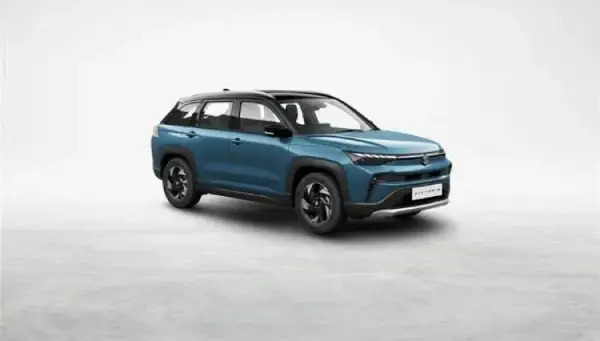
Fuel Economy: Hybrids’ Greatest Advantage
Hybrids excel in this situation.
Examples of Real-World MPG:
Honda CR-V
- Gas: about 28/33 mpg
- Hybrid: about 43/36 mpg
The Corolla from Toyota
- ~32/42 mpg for gas
- ~53/46 mpg for a hybrid
Maverick Ford
- ~22/30 mpg for gas AWD
- ~40/34 mpg for hybrid AWD
When you travel frequently, especially in urban areas, fuel savings quickly mount up.
Comparison of Prices: Although Hybrids Are Still More Expensive, They Are Now Less
The initial cost of a hybrid vehicle is usually $1,000 to $5,000 higher than that of a gas vehicle.
Pricing at Entry Level (about)
Honda CR-V
- The cost of gas is approximate $32,000
- $37,000 or so for a hybrid
Toyota Corolla
- The cost of gas is around $24,000
- $26,000 or so for a hybrid
The disparity is closing, and within a few years, long-term fuel savings frequently make up for the higher initial price.
Performance: Gas Cars Still Feel Sportier (Mostly)
Traditional gas cars usually deliver:
- Higher horsepower
- Faster acceleration
- More engaging engine sound
For example a gas-powered Corolla produces more horsepower than its hybrid sibling.
But there are big exception:
- Porsche 911 Carrera GTS hybrid: 532 hp
- Ferrari 296 GTB: 818 hp
High-performance hybrid prove that electrification doesn’t mean slow—though these are clearly not fuel-saving commuter cars.
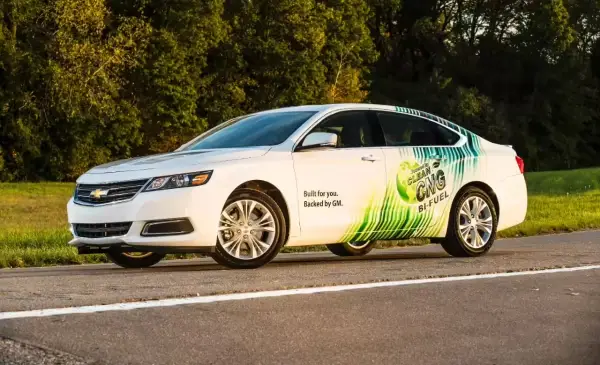
Ownership & Maintenance Costs
Hybrids:
- Fewer brake replacement (thanks to regenerative braking)
- Proven battery durability (often 8–10 year warranties)
- Lower fuel costs
Gas Cars:
- Simpler drivetrain
- Lower upfront repair complexity
- Easier DIY maintenance
Modern hybrid reliability has improve dramatically and battery failures are far rarer than people think.
Which One Should You Buy?
Choose a Hybrid if you
- Commute daily
- Drive mostly in the city
- Want lower fuel and emissions costs
- Plan to keep the car long term
Choose a Gas Car if you:
- Want maximum power for the money
- Drive long highway distances
- Prefer a lower upfront price
- Enjoy a traditional driving feel
The Final Opinion
In 2026, hybrid vehicles will be more sensible than ever, particularly for regular driver who prioritize economy and long-term savings. Performance-seekers and consumer on a tight budget continue to favor gas-powered vehicle but the balance is rapidly changing.
It could be wisest to get a hybrid if you want a car that feels familiar but is also prepared for the future.
Contemplating an upgrade? Before making a decision, compare prices and real-world MPG on average, you might save thousands.
FAQs
Q: Are hybrid car reliable long-term?
A: Yes. Most modern hybrid are extremely reliable with battery packs design to last well over 150,000 mile.
Q: Do hybrid cost more to maintain?
A: Not usually. While repairs can be complex hybrid often save money on brake and fuel over time.
Q: Is a hybrid worth it if I drive mostly on highways?
A: Fuel saving are greater in city driving but hybrid still outperform gas cars on highways.
Q: Can hybrid batteries be replaced?
A: Yes and cost have dropped significantly. Many manufacturer also offer long battery warranties.
Q: Are gas cars being phased out?
A: Not immediately but regulations are pushing automakers toward hybrid and electrified options.
Also Read: Buick’s Luxury Car With Sports Car Power—Before It Ever Made Sense