
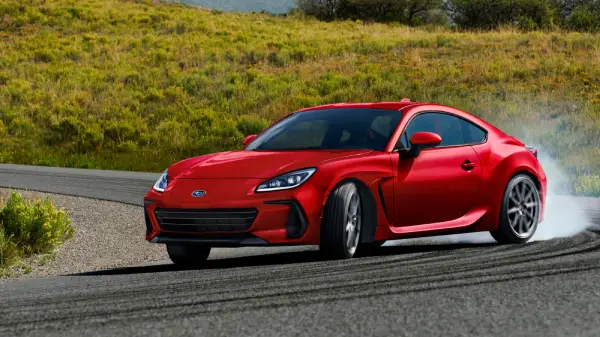
Sports Cars With Better MPG Than Subaru BRZ: Driving enthusiast have always consider the Subaru BRZ to be a desirable choice. It is less expensive than many high performance sports vehicle while yet providing rear-wheel drive, a natural aspirated engine, agile handling and an exciting driving experience. However the BRZ doesn’t always outperform the competition in one area fuel efficiency.
If you enjoy driving quickly but don’t want to make frequent trip to the gas station, there are a few solutions to consider. Surprisingly, some of them produce more horsepower, accelerate more quickly, or be more useful for everyday use while using less petroleum.
While You Care for Your Car, Care for Your Child’s Future Too 💖
A fun and educational book every parent should gift their kid.
 Get Kiddy Store Fortune Now
The 2026 Subaru BRZ has an EPA-estimated fuel economy of 25 mpg when equipped with an automatic transmission and 22 mpg when equipped with a six-speed manual. For a naturally ambitious sports coupe, those numbers are reasonable, but they could be better.
From turbocharged American muscle to lightweight Japanese roadsters here are five sports and performance cars that offer better fuel economy than the Subaru BRZ.
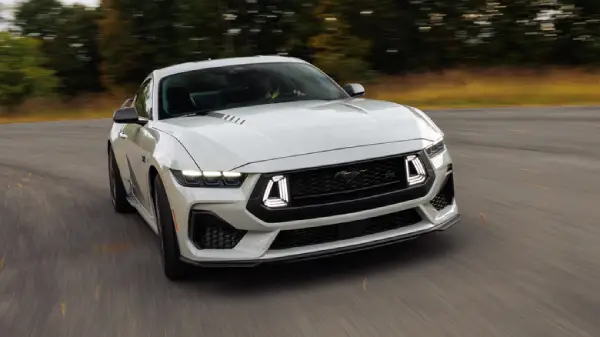
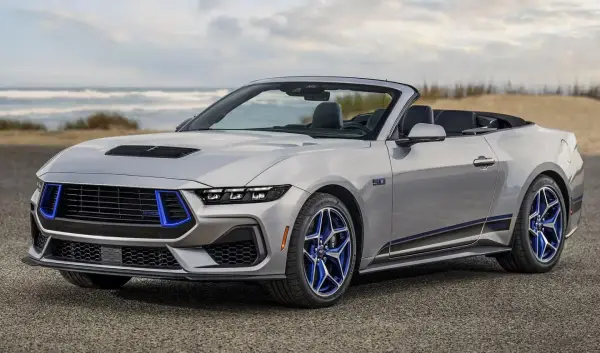
1. Ford Mustang EcoBoost: More Power Without More Fuel
When someone mention the Mustang the first thing that usually comes to mind is a powerful V8 engine. However the EcoBoost version makes a strong case for buyer who want Mustang performance without the running cost associate with a larger engine.
The 2026 Mustang EcoBoost is powered by a 2.3-liter turbocharged four-cylinder engine that generate 315 horsepower. Compared to the naturally aspirated 2.4-liter boxer engine of the Subaru BRZ which produce 228 horsepower that is a significant advantage.
The Mustang ability to produce greater power and improve fuel economy is especially intriguing.
The basic Mustang EcoBoost earns 26 MPG combined, according to EPA data for the 2026 model. That is significantly better than the manual version 22 MPG and marginally better than the automatic BRZ’s 25 MPG combined rating.
The Mustang’s combined rating drops to 25 MPG when the Performance Package is selected, although it is still comparable to the automatic Subaru.
There’s one more benefit to think about. The BRZ needs premium fuel, but the EcoBoost Mustang can run on ordinary gasoline. Over time, that difference may have a discernible effect on gasoline costs.
For those who enjoy traditional driving, the transmission is the largest compromise. Instead of a manual gearbox, the EcoBoost Mustang has a 10-speed automatic.
However, the Mustang EcoBoost is a strong contender if you’re looking for a bigger sports coupe with significantly more power and competitive fuel efficiency.
2. Toyota GR Supra: A More Powerful Sports Car That Can Still Save Fuel
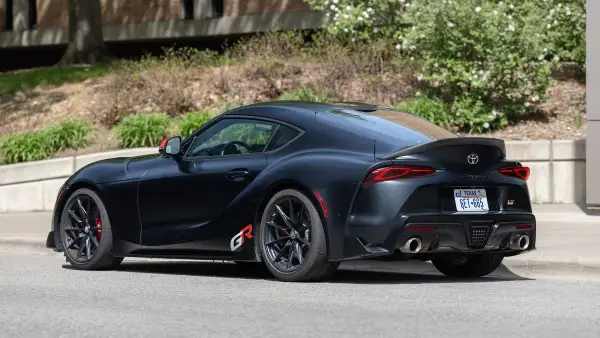
It’s fascinating that aficionados are still consider the GR Supra another Toyota sports vehicle despite Toyota’s association with the GR86 the platform sharing sister of the Subaru BRZ.
With stronger engine, a more upscale ride and significantly greater performance capability the Supra is position high in Toyota performance lineup. However some variant are surprisingly cost effective.
In this regard the discontinue GR Supra 2.0 is especially noteworthy. According to the numbers in the source report the turbocharged 2.0 liter four-cylinder engine generate 255 horsepower and achieve an EPA estimated 27 MPG combine.
That is two MPG greater than the automatic variant and five MPG more than the manual BRZ.
An estimated 25 MPG is achieved by even the more potent 3.0-liter Supra with an automatic transmission. That is a respectable outcome given its significantly higher performance potential.
But not every Supra offer the same level of efficiency. The 3.0 liter manual model combine fuel economy drops to about 21 MPG making it less cost effective than either BRZ transmission choice.
One significant catch for potential purchasers is that the GR Supra is no longer in production, so those who are interested in these specific vehicles will have to look into the secondhand car market.
The GR Supra 2.0 is still an intriguing choice for those seek a more potent, high end sports vehicle without sacrificing respectable fuel economy.
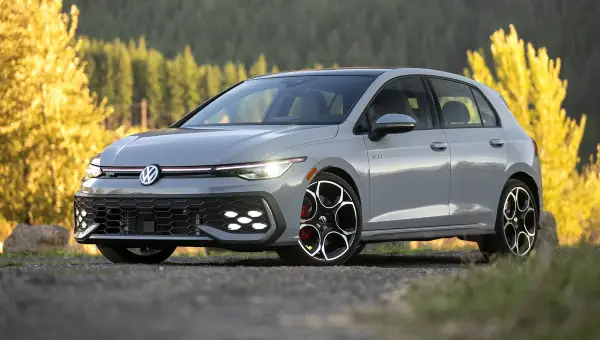
3. Volkswagen GTI: Everyday Practicality Meets Enthusiast Performance
Rear-wheel drive and a low slung coupe body are not necessary for every performance vehicle. The Volkswagen GTI demonstrate that a useful hatchback can provide plenty of thrilling driving experience while still being reasonably priced.
A 2.0-liter turbocharged four-cylinder engine with 241 horsepower power the 2026 Volkswagen GTI. Despite lacking the Subaru BRZ classic sports car architecture it nonetheless provides more everyday versatility and a pleasurable driving experience.
Another key selling point is its EPA-rated fuel economy. 24 mpg in the city, 32 mpg on the interstate, and 27 mpg overall are the results of the automatic GTI. As a result, it has a five-MPG advantage over the manual version and a two-MPG advantage over the automated BRZ.
Additionally, the GTI can be more cheap to acquire than performance cars that need premium fuel because it runs on normal gasoline.
The hatchback’s interior design provides more room for passengers and cargo, making daily commuting, weekend travel and grocery shopping easier.
Additionally Volkswagen has dropped the GTI’s manual transmission option for the 2026 model year, so consumers who prefer a conventional stick shift will have to look at an earlier model.
Why it’s worthwhile: For drivers who desire dynamic performance, practical storage room, and improved fuel economy without sacrificing everyday comfort the GTI is a wise option.
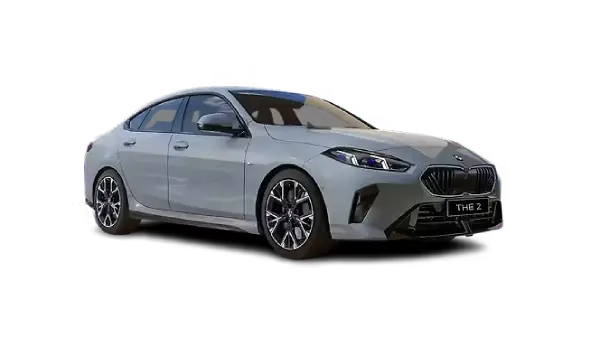
4. BMW 2 Series: Luxury Performance With Impressive Efficiency
If you think better fuel economy mean sacrificing horsepower the BMW might change your mind. This compact luxury coupe combine premium feature, impressive acceleration and efficient turbocharge engine in one attractive package.
The BMW 2 Series lineup include several engine and drivetrain combinations. The most fuel efficient option is the rear-wheel-drive 230i, power by a 2.0-liter turbocharged four-cylinder engine producing 255 horsepower.
According to EPA figure the 230i deliver an impressive 26 MPG in the city, 35 MPG on the highway and 30 MPG combine. That’s five MPG more than the automatic Subaru BRZ and eight MPG more than its manual counterpart.
Impressive efficiency is maintain even when upgrading to the more potent M240i. Although its 3.0-liter turbocharged inline-six engine generates 382 horsepower, the combined fuel economy of the all-wheel-drive and rear-wheel-drive automatic models is 26.
Naturally, owning a BMW costs more than buying a Subaru BRZ, and the 2 Series needs premium gasoline. Nevertheless it is a desirable choice due to its blend of performance, elegance, and fuel efficiency.
Why it’s worth considering: The M240i gives significantly more horsepower without significantly lowering combined MPG, but the BMW 230i is the fuel-efficiency winner on this list.
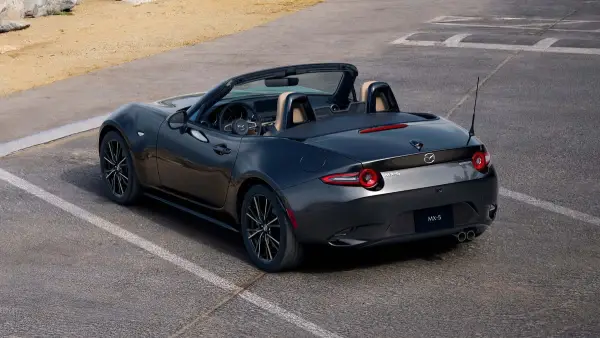
5. Mazda MX-5 Miata: Less Weight, More Miles Per Gallon
The Mazda MX-5 Miata may be the best substitute for the BRZ for driver who enjoy the classic sports car feel.
Both vehicle feature a natural aspirated four cylinder engine keep thing light and prioritize enjoying the ride over pursuing high horsepower figures.
The Miata, on the other hand, goes even farther with the lightweight strategy. Compare to the BRZ 228 horsepower, its 2.0-liter four-cylinder engine generates 181 horsepower. However, the Mazda offer an enjoyable driving experience without requiring a large engine because of its lighter design.
Its fuel economy is particular impressive. The 2026 Mazda MX-5 Miata achieves an EPA-estimated 29 MPG combined with both manual and automatic transmission. The manual version returns 26 MPG in the city and 34 MPG on the highway while the automatic achieves 26 MPG city and 35 MPG highway.
As a result the Miata outperform the automatic BRZ by four MPG and the manual version by seven MPG.
However there is a trade-off. The BRZ has a more useful coupe body with a modest rear-seat area, but the Miata only has two seats and little room for luggage.
However, the Mazda is hard to ignore if you want an exciting open top driving experience with outstanding fuel efficiency.
Why it’s worthwhile: Without requiring a turbocharged engine the MX-5 Miata combines great fuel economy, lightweight handling, and traditional rear-wheel-drive pleasure.
How These Five Cars Compare With the Subaru BRZ
Here is a quick look at their EPA-estimated combined fuel economy figures.
| Sports car | Combined MPG | Advantage over manual BRZ |
| BMW 230i RWD | 30 MPG | +8 MPG |
| Mazda MX-5 Miata | 29 MPG | +7 MPG |
| Toyota GR Supra 2.0 | 27 MPG | +5 MPG |
| Volkswagen GTI | 27 MPG | +5 MPG |
| Ford Mustang EcoBoost | 26 MPG | +4 MPG |
| Subaru BRZ Automatic | 25 MPG | +3 MPG |
| Subaru BRZ Manual | 22 MPG | Baseline |
FAQs
Q1. Of the sports cars, which gets better gas mileage than the Subaru BRZ?
A: The BMW 230i rwd coupe leads with an EPA estimate of 30 mpg to the manual BRZ’s 22 mpg.
Q2. How is the Mazda MX-5 Miata’s gas mileage compared to the Subaru BRZ’s?
A: Yes, it is better. For the 2026 Mazda MX-5 Miata, the EPA says it will get 29 mpg, to the manual BRZ’s 22 mpg.
Q3. Is it true the Ford Mustang EcoBoost gets better gas mileage than the BRZ?
A: Yes, it is. The 2026 Ford Mustang EcoBoost is expected to get 26 mpg. For the manual BRZ, the EPA estimate is 22 mpg. For the automatic, it is 25 mpg.
Q4. How would the Volkswagen GTI work for those looking for a sports car and wanting a more practical alternative to the Subaru BRZ?
A: With a combination of a 241 horsepower and an EPA estimate of 27 mpg, the GTI has additional passenger and cargo space and performance to back it up, which makes it an overall great alternative for drivers.
Q5. How would the Toyota GR Supra compare to the Subaru BRZ in terms of fuel economy?
A: The four-cylinder Supra is superior to both the manual and automatic BRZ versions at around 27 mpg. The six-cylinder Supra, both automatic and manual, falls short at 25 mpg and 21 mpg respectively.
Also Read: Rivian R2 vs. Jeep Recon: Speed, Range, Price and Off-Road Ability Compared