
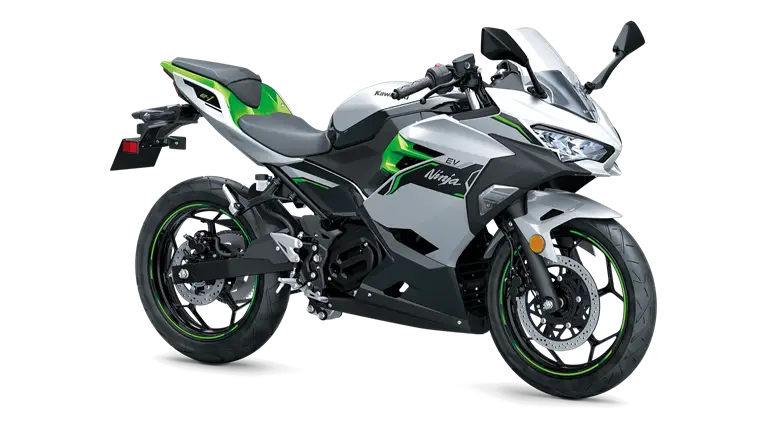
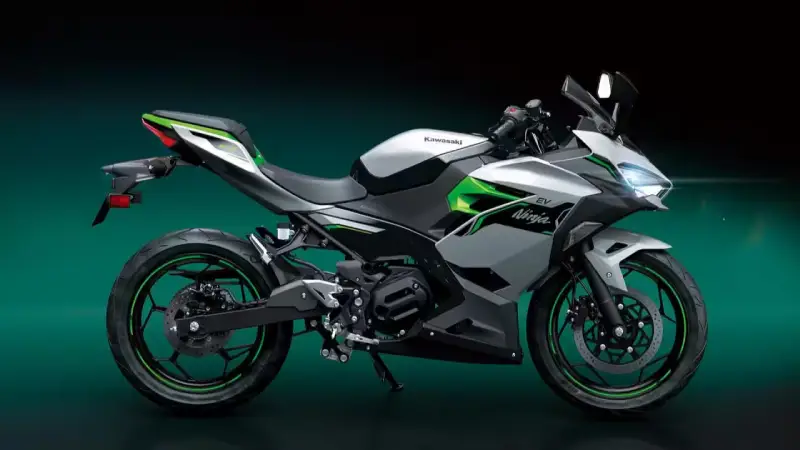
Kawasaki Electric Motorcycles: Kawasaki made a big statement when it eventually join the electric motorbike industry. Presenting the Ninja e-1 and Z e-1, two brand-new electric bike. This is a positive breakthrough for rider who have been waiting for a fully functional, road-legal electric motorcycle from a reputable manufacturer. Even while the bikes are fairly priced, sleek and competent one significant drawback might make them less appealing, particularly in the United States.
The Good: Kawasaki Finally Delivered What Honda, Yamaha, and Suzuki Haven’t
The good news is obvious: actual electric motorcycles have been delivered by Kawasaki. The Ninja e-1 and Z e-1 are ready for the road in contrast to certain brands that only display prototypes or concept bike.
While You Care for Your Car, Care for Your Child’s Future Too 💖
A fun and educational book every parent should gift their kid.
 Get Kiddy Store Fortune Now
- Price: Both model are reasonably priced in the current electric motorbike market with starting price under $8,000.
- Design & structure: They feel more like legitimate motorbikes than big scooters thanks to their full-sized wheels, ABS brake and sturdy structure.
- Performance: These bikes are ideal for traversing city street because they have ample power and quick handling.
To put it briefly Kawasaki is putting an actual, functional electric bike on the road something that Honda, Yamaha and Suzuki have been reluctant to accomplish.
The Bad: A Tiny Battery That’s Holding Everything Back
The battery pack on these bikes is just 3.0 kWh, split between two removable 1.5 kWh units. That’s shockingly small—even some electric bicycles have similar battery sizes.
Real-world range? Depending on traffic, the weather, and your weight, allow 25 to 35 miles. Additionally, highway riding is impossible due to the vehicle’s top speed of 52 mph (65 mph in brief “e-Boost” bursts).
Yes, they’re marketed as urban commuters, but let’s be real: this feels more like a premium scooter wearing a Ninja costume.

The Significance of This for American Riders
Motorcycles are used for more than just commuting in the United States; they are also used for long-distance travel, open-road excursions, and weekend thrill rides. When you are accustomed to vast highways and expansive suburbs a 3 kWh battery simply isn’t enough.
Even scooters like the Ryvid Anthem offer more: a 4.3 kWh battery, higher speeds, longer range and better portability—all for about the same price.
Kawasaki’s Missed Opportunity (But Also a Huge Potential Win)
The platform is promising despite its flaws. These bikes could become popular electric commuter motorcycles with a little bigger battery (4.5–5 kWh), quicker charging, and slight increases in top speed.
In the electric market Kawasaki is already ahead of Honda, Yamaha and Suzuki. The market for electric motorcycles in the United States may change if the next generation increases performance and range.

Bottom Line: Great Start, But America Needs More Power
Kawasaki deserve credit for taking the leap. The Ninja e-1 and Z e-1 are stylish, functional and priced competitively. Yet if electric motorcycles are to thrive in America, they need:
- More battery capacity for longer rides
- Higher top speeds for highway safety
- Faster charging to keep up with daily commutes
The first step is promising—but the next generation must deliver real performance to match the bikes’ potential.
Brief Specifications in a Flash:
- 3.0 kWh battery (two separate 1.5 kWh packs)
- 52 mph is the maximum speed (65 mph with e Boost).
- Range: 25–41 miles (actual conditions may differ).
- Cost: $7,899
- Rivals: Zero FXE, SONDORS Metacycle, and Ryvid Anthem
FAQs About Kawasaki Electric Motorcycles
Q1: Are the Ninja e-1 and Z e-1 highway-capable?
A: Not really The top speed of 52 mph limits highway use, though the brief e-Boost mode can push it to 65 mph for short burst. These bike are designed primarily for city commuting.
Q2: How far can these bike go on a single charge?
A: Expect 25–35 mile in real world condition, depend on traffic, weather and rider weight.
Q3: How much do the Ninja e-1 and Z e-1 cost?
A: Both model start at $7,899 making them an affordable entry point into electric motorcycling.
Q4: Can the battery be upgrade?
A: Currently the bike come with a 3.0 kWh battery (two removable 1.5 kWh packs). Future model may offer larger battery option but there are no official upgrade yet.
Q5: How do these bike compare to competitor?
A: Bikes like the Ryvid Anthem and SONDORS Metacycle offer higher battery capacities, longer range and higher speeds at similar price point. Kawasaki advantage is trusted brand quality and mainstream design.
Also Read: 12 Most Exciting New Motorcycles Launching in 2025