
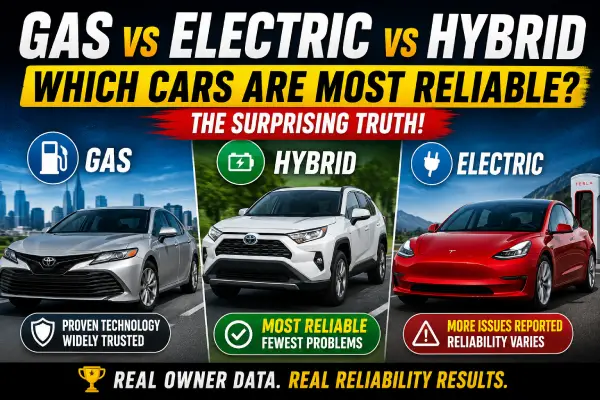
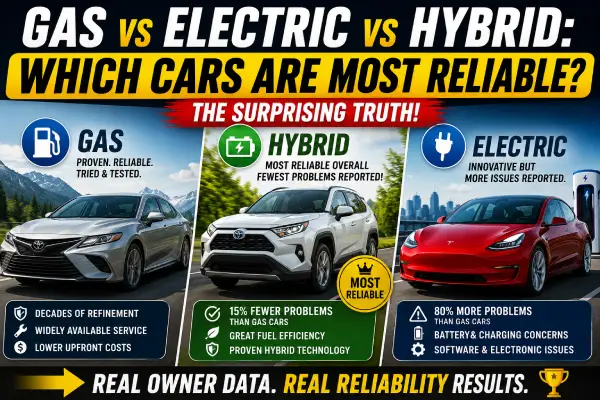
Gas vs Electric vs Hybrid: Which Cars Are Most Reliable:The majority of consumer prioritize price, fuel economy, features, and styling when looking for a new car. Reliability, however is frequently the most important factor.
After all, no one wants a car that spends more time in the workshop than on the road frequent dealership trips, or unanticipated maintenance expenses.
While You Care for Your Car, Care for Your Child’s Future Too 💖
A fun and educational book every parent should gift their kid.
 Get Kiddy Store Fortune Now
Because they have fewer moving component many drivers thought electric cars (EVs) would be the most dependable choice for many years. Others believed that because of decades of advancements in engineering, conventional gasoline-powered vehicles will continue to be the safest option. And then there are hybrid which combine both technologies and seem like they should be the most complicated and therefore the least reliable.
But real-world ownership data tell a very different story.
The Reliability Surprise Nobody Expected
Thousands of vehicle owners have shared their experiences through large-scale reliability survey and the results challenge many common assumptions.
Instead of EVs taking the top spot, traditional hybrid have emerged as the most dependable vehicle on the road today.
That is right the powertrain many people assume would be the most complex is actually prove to be the most reliable.
Why Hybrid Cars Are Winning the Reliability Battle
Modern hybrid technology has been refined over decades. Manufacturers have spent years improving battery systems, electric motors, regenerative braking system and energy management software.
As a result, today’s hybrids are incredibly dependable.
Unlike fully electric vehicle hybrids don’t rely entirely on large battery packs. They also avoid many of the mechanical stresses found in conventional gasoline vehicles.
Brand like Toyota, Honda and Subaru have perfect hybrid technology through year of real world testing and continuous improvement.
Popular hybrid model known for reliability include:
- Toyota Camry Hybrid
- Toyota RAV4 Hybrid
- Honda Accord Hybrid
- Subaru Forester Hybrid
The combination of proven gasoline engine and mature electric technology has created a reliability sweet spot that many driver are now discovering.
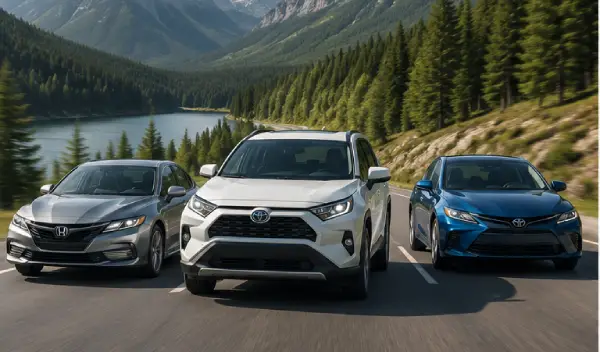
Gas-Powered Cars Still Remain a Strong Choice
Gasoline vehicles have dominated roads for more than a century and manufacturer have had plenty of time to improve them.
Many modern gas-powered vehicles remain extremely reliable especially models that use proven engines and transmissions rather than brand-new technology.
However, some automakers have introduced highly complex turbocharged engines, advanced transmission and new electronic systems that occasionally create reliability concerns.
Generally speaking, vehicles that evolve existing technology tend to perform better than those introducing major mechanical changes.
For buyers seeking dependable transportation many gas-powered sedans, SUVs, and trucks still offer excellent long-term ownership experiences.
Why Plug-In Hybrids Face More Problems
Plug-in Hybrid Electric Vehicle (PHEVs) promise the best of both world.
They can travel short distances using electricity alone while retaining a gasoline engine for longer trip.
Sounds perfect right?
The challenge is complexity.
A plug-in hybrid must manage:
- A gasoline engine
- An electric motor
- A larger battery pack
- Charging hardware
- Advanced cooling systems
- Sophisticated software controls
With more components comes more potential for issues.
While some plug-in hybrids perform very well the category as a whole tends to experience more reliability problems compared to traditional hybrids and conventional gasoline vehicle.
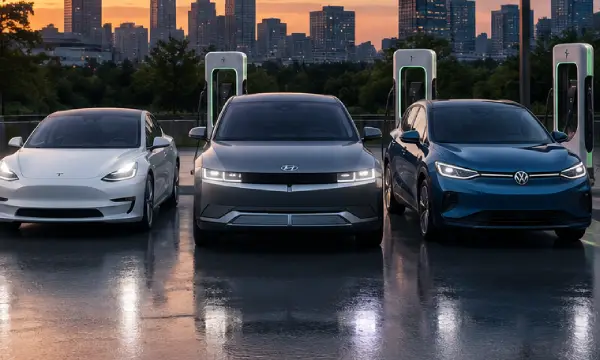
Electric Vehicles: Not Quite the Reliability Kings Yet
Many consumers assume electric vehicles should be nearly maintenance-free because they have fewer moving parts than gasoline cars.
While EVs eliminate oil changes, spark plug and many engine-related components, they introduce entirely new systems that can create challenges.
These include:
- Battery management systems
- Charging hardware
- Power electronics
- Software platforms
- Thermal management systems
As EV technology continues to evolve manufacturers are still refining these components.
Some electric vehicles have demonstrated impressive durability while other have struggled with software glitches, charging issues and electronic fault.
The good news is that reliability continues to improve as automaker gain more experience with electric vehicle production.
Reliability Ranking: From Best to Worst
Based on real-world owner experience vehicle reliability generally rank as follows:
1. Traditional Hybrids
Most Reliable
- Proven technology
- Excellent fuel economy
- Lower repair frequency
2. Gasoline Vehicles
Very Reliable
- Decades of refinement
- Widely available service support
- Strong long-term track record
3. Electric Vehicles
Improving Rapidly
- Fewer mechanical components
- Potential software and charging issues
- Reliability varies by manufacturer
4. Plug-In Hybrids
Most Complex
- Two complete powertrains
- Higher component count
- More systems that can potentially fail
What Kind of Car Should You Purchase?
Your priorities will determine the response
Select a Hybrid If
- Your main concern is reliability.
- You want excellent fuel economy.
- You drive regularly in city traffic.
Choose a Gas Vehicle If:
- You want proven technology.
- You prefer widespread repair support.
- You frequently take long road trips.
Choose an EV If:
- You want zero tailpipe emissions.
- You have reliable charging access.
- You enjoy cutting edge technology.
Choose a Plug In Hybrid If:
- You have a short daily commute.
- You can charge regularly at home.
- You want electric driving without range anxiety.
The Conclusion
In 2026 conventional hybrid car are now the best if dependability is your top priority.
They deliver fewer issues than many drivers anticipate by combining decades of engineering skill with advanced battery technology.
While electric vehicles are getting better every year, gas-powered cars are still a good choice. Although plug-in hybrids have special benefit they also add complexity that may compromise long-term dependability.
The ideal car is the one that fits your lifestyle and offers years of trouble-free ownership not just the newest technology.
Look past marketing claims and concentrate on actual dependability before making your next buy. Your pocketbook and future self will appreciate it.
FAQs
Q: Do hybrid vehicles offer a greater level of dependability than electric vehicles?
A: Yes, the reliability data currently reported by survey respondents demonstrates that on the whole, traditional hybrid vehicles experience fewer issue when compared to the majority of electric vehicles.
Q: Which style of vehicle is capable of more extended use?
A: Well-maintained gasoline and hybrid vehicles will typically obtain a high degree of use. Longevity is a function of maintenance schedule type of driving habit exhibited and quality of construction.
Q: Should I purchase a plug-in hybrid vehicle?
A: For driver that have a short commute and charging capability at home plug-in hybrid vehicle offer an excellent alternative to traditional hybrids. However they can be more complicate than a traditional hybrid vehicle.
Also Read: The 5 Best Luxury Sports SUVs for Families in 2026: Speed, Style and Practicality Combined