
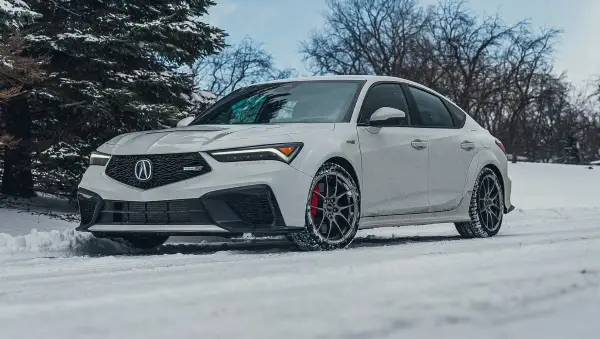
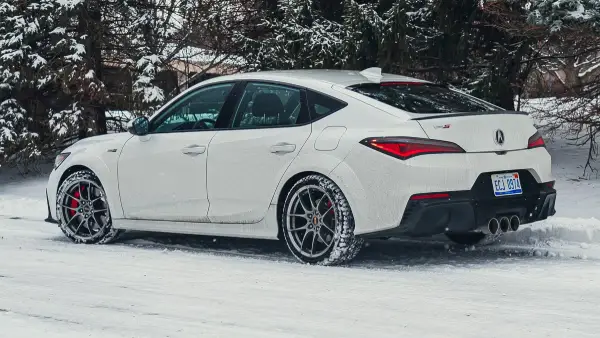
Acura Integra Type S: Some performance automobile make you choose between having fun and being sensible. You can purchase something interesting and quick, but then be concerned about upkeep expenses. Alternatively you can accept that your commute may never be very exciting and select a dependable, comfortable daily driver.
The 2026 Acura Integra Type S questions that familiar trade-off.
While You Care for Your Car, Care for Your Child’s Future Too 💖
A fun and educational book every parent should gift their kid.
 Get Kiddy Store Fortune Now
With 320 horsepower, a six-speed manual transmission, a driver-focused chassis and the practical body of a quick hatchback, this Acura has feature that enthusiasts rarely find in a single vehicle. It has the performance qualities to make a twisty road pleasurable yet it has the everyday adaptability that keeps a car useful long after the enthusiasm of buying it has waned.
Additionally, its starting price of $53,900 place it squarely in the premium performance category. But unlike some of its European competitors, the Integra Type S follows a different path. Rather of relying on an all-wheel-drive system or an automated transmission, it delivers its power through the front wheels and allows the driver do the shifting.
That might sound like an unusual recipe for a modern performance car. In practice, it is a major part of the Integra Type S’s appeal.
Acura combines the engineering foundation associated with Honda with a more upscale cabin, distinctive styling, and serious performance hardware. The result is a car for drivers who want something more engaging than an ordinary commuter without automatically signing up for the ownership experience of a more complicated luxury performance machine.
Why the 2026 Acura Integra Type S Deserves More Attention
The performance car market is crowd with familiar names. BMW, Volkswagen, Mercedes-Benz and Toyota all have models that attract buyers looking for speed, sharp handling and everyday usability.
A slightly modified version of that formula is provided by the Acura Integra Type S.
It adopt the practical design of the contemporary Integra and adds a six speed manual transmission, performance brakes, adaptive dampers, a wider bodywork, and a significantly more powerful engine. These modifications transform an already adaptable small car into one intended for drivers who truly like operating a vehicle.
The Type S is not simply a regular Integra with a larger engine. Acura has alter critical section of the car to assist it handle the greater power and give a more concentrated driving experience.
That distinction matters because horsepower alone does not make a great sports car. The experience is influence by a number of factor including steering response, suspension tuning, braking efficiency, transmission feel and the driver connection to the road.
The Integra Type S makes an effort to combine those feature without sacrificing the usefulness of its hatchback design.
For buyers who want one vehicle for commuting, weekend drives, shopping trip and longer journey that combination makes a compelling case.
Honda Engineering Meets Acura’s Premium Approach
Honda has spent decade building vehicles around efficient engineering, practical design and accessible performance. Acura takes much of that engineering philosophy and presents it through a premium brand.
At the meeting point of those two methods is the Integra Type S.
It is especially significant in relation to the Honda Civic Type R. Although the two cars have a similar mechanical base and a similar basic performance philosophy, Acura provides the Integra Type S a unique appearance, interior design, and personality.
That partnership will appeal to enthusiasts who appreciate the Civic Type R’s reputation for driver involvement but would want a little different exterior and a more upmarket badge.
Naturally a Honda connection does not imply that the Type S will never experience an issue. Every high-performance car has wearable part and the cost of maintenance varies depending on the car, road condition, driving habit and service history.
However, rather than offering consumers a whole new luxury performance platform, the Integra’s core engineering gives them a familiar starting point.
That is an attractive proposition for someone who wants to enjoy a performance car without making every ownership decision about chasing the next horsepower upgrade.
A 320-HP Turbocharged Engine With Plenty of Character
The 2.0 liter turbocharged four cylinder engine powers the 2026 Acura Integra Type S.
The engine generate 320 horsepower at 6,500 rpm and 310 lb ft of torque between 2,600 and 4,000 rpm according to Acura official specification. With a redline of 7,000 rpm the powertrain can produce the kind of high-revving character performance that fans love.
With such numbers, the Type S surpasses the standard compact premium commuter by a wide margin.
Outside of the rare furious drive, the wide torque range is very helpful. To enjoy the engine’s versatility, drivers don’t need to approach every trip like a qualifying lap. For speeding out of curves, passing slower traffic, and merging onto highways, there is significant pulling power available.
The turbocharger also helps the engine deliver strong performance without requiring the displacement of a larger six-cylinder unit.
What makes this setup particularly interesting is the transmission that comes with it.
Why the Six-Speed Manual Still Matters
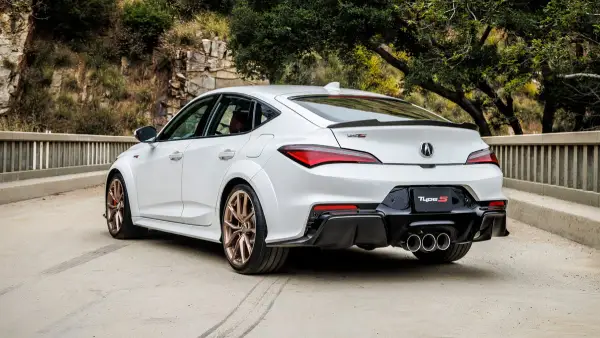
Automatic transmission which promise faster shifts and simpler acceleration, have been popular in many contemporary performance car. By making a six-speed manual transmission a key component of its personality, the Integra Type S takes a different approach.
The manual gearbox increase the complexity of acceleration and allow driver direct control over gear selection.
The driver chooses when to shift how to use the engine power and how to approach the next bend instead of just applying the pedal and waiting for the transmission to select a gear.
Rev-Match Control another feature of Acura, aids in coordinating engine speed during downshift. This facilitates a smoother gear change especially while braking before of a bend.
The result is a powertrain that reward participation rather than making the driver feel like a passenger.
For enthusiast who still enjoy operating a clutch and selecting gears themselves, the Integra Type S offers something that is becoming increasingly uncommon in the premium performance segment.
Front-Wheel Drive Is Not the Weakness It Appears to Be
Sending 320 horsepower through the front wheels may appear to be an unnecessary challenge at first.
After instance, all-wheel-drive systems are well-liked for their capacity to distribute power across all four tires, whereas strong rear-wheel-drive sports sedans have long been linked to balanced handling.
Acura’s strategy shows that, with the correct supporting engineering, front-wheel drive can still function in a real performance vehicle.
A limited-slip differential is used by the Integra Type S to help divide available torque among the front wheels. When speeding out of corners this can increase traction especially if the tires’ grip is uneven.
It also features a dual-axis strut front suspension, which reduces torque steer—a problem for powerful front-wheel-drive vehicles—and helps regulate steering forces.
When engine torque affects steering, it can cause torque steer which could cause the automobile to veer to one side during rapid acceleration. When a small performance vehicle generate this much power, controlling that inclination is crucial.
When the driver applies additional force, Acura’s suspension system, differential, and chassis tune all work together to make the vehicle more predictable.
The system cannot eliminate every limitation associated with front-wheel drive, but it helps the Integra Type S make better use of its available performance.
And there is another advantage: the car deliver its performance without adding the weight and complexity of an all wheel drive system.
A Performance Chassis Built for More Than Straight Line Speed
A powerful engine can make a car quick but the chassis determine how effectively that power can be enjoy.
Acura equips the Integra Type S with adaptive damper that allow the suspension to adjust its response to different driving condition. The setup is intended to provide more control when the road becomes challenging while retaining some flexibility for ordinary driving.
Wider bodywork, 19-inch wheels, and performance-focused braking hardware are also added to the vehicle.
All of these modifications set the Type S apart from the regular Integra. They are designed to give the turbocharged engine the extra traction, control and stopping power it needs.
This is important on real road where automobiles with the fastest top speeds aren’t always the most fun. A car that produces outstanding number alone may not be as satisfying as one that respond reliably to steering inputs, settles swiftly following a change in direction and provides the driver confidence under braking.
The Integra Type S is built around that idea.
It offers the hardware for enthusiastic driving without requiring owners to turn their daily transportation into a dedicated track project.
Drivers should still remember that public roads have limit and the car’s performance is best enjoyed within safe and legal conditions.
A Premium Cabin That Remains Comfortable Enough for Everyday Driving
Performance cars can sometimes take their sporting mission too far inside the cabin.
An otherwise remarkable car can be challenging to live with due to hard seats, considerable road noise, odd controls, and a ride that gets tiresome on uneven ground.
With the Integra Type S, Acura adopts a more balanced strategy.
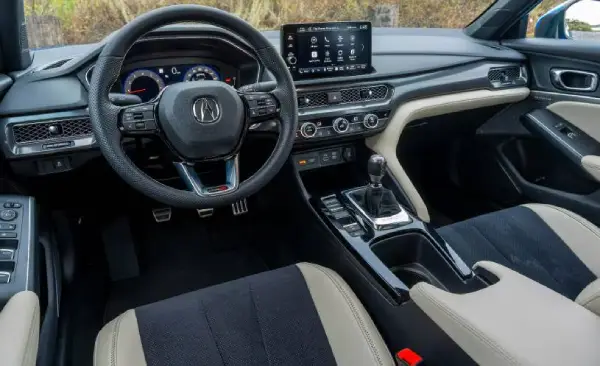
Sport-oriented seating, a driver focused layout, contemporary entertainment system and standard amenities like heated front seats and dual-zone climate control are all included in the cabin. While maintaining the driver’s connection to the vehicle the overall setting is intended to feel more sophisticated than a basic track car.
The seating and controls also serve a practical purpose. It’s important to drive in a comfortable position when you’re driving fast, but it’s much more important when you’re stuck in traffic for an hour.
This also holds true for technology. Daily driving is made easier with a clear infotainment display, easily accessible climate settings, and well-known connectivity capabilities.
To feel unique, the Integra’s cabin doesn’t have to mimic an exotic sports vehicle. Rather, it is appealing because it combines a practical design with the features and equipment that one would expect from a high-end car.
For this reason, buyers who want performance but don’t want their car to be taxing on regular trips may find the Acura appealing.
The Liftback Body Is a Bigger Advantage Than It Looks
The Integra Type S’s engine is not one of its best features.
The Integra has a liftback design, in contrast to a conventional sedan with a separate trunk. A larger opening for loading cargo is created when the back glass opens with the hatch.
Acura claims 24.3 cubic feet of cargo space when the rear seats are fitted. This gives the automobile a useful carrying capacity for a performance model even if the actual useable area will vary depending on the size and shape of the good being carried.
Think about how that affect day to day living.
A motorist may wish to transport heavier product that would be difficult to fit in the trunk of a standard sedan, luggage for a weekend vacation or groceries throughout the week. These task are made easier by the hatchback design of the Integra.
Additionally, compared to a two-seat sports car, the car has additional flexibility because to the back seats.
Buyers should compare the load opening and rear seat capacity to their own demand because it is still a little performance car. A larger car might be prefer by families who need plenty of space in the back.
However, the Type S has a practical advantage over vehicles that prioritize performance but provide less flexibility for daily chores thanks to its liftback design.
That versatility can be just as significant as the engine’s performance for someone who desires a single vehicle instead of a separate daily driver and weekend play.
How the Integra Type S Compares With Its Main Rivals
The Acura occupies an intriguing space between establish premium compact vehicles and conventional performance hatchbacks.
The BMW 2 Series, Volkswagen Golf R, Toyota GR Corolla and Honda Civic Type R are its most pertinent alternatives. Each appeals to a little different type of enthusiast.
Acura Integra Type S vs. BMW 2 Series
Depending on the model BMW offer a distinct approach to appearance drivetrain option and power delivery while maintaining the classic luxury brand experience.
The Integra Type S boasts a useful liftback design, a standard six-speed manual transmission, and 320 horsepower. It differs from all-wheel-drive options like the BMW M235i xDrive due to its front-wheel-drive configuration.
The Acura is a compelling option for consumer who appreciate manual shifting and the versatility of a hatchback. The German option can be more desirable to those who value an all-wheel-drive setup or a specific BMW driving style.
Acura Integra Type S vs. Volkswagen Golf R
The Golf R combine strong turbocharge performance with all-wheel drive making it attractive to drivers who want rapid acceleration and additional traction in changing condition.
The Integra Type S takes a more driver involved route, pairing front wheel drive with a manual gearbox and a carefully developed chassis.
Neither approach is automatically better. The choice comes down to whether a buyer prefers the Golf R’s all-wheel-drive versatility or the Acura’s manual-focused personality.
Acura Integra Type S vs. Toyota GR Corolla
A more obviously rally-inspired approach to performance is adopted by the GR Corolla. Its all-wheel-drive system and small size make it appealing to fans who like an unorthodox, powerful hot hatch.
The priorities of the Integra Type S seem different. It blends a premium brand identity a more elegant cabin presentation, and serious performance.
The Toyota may appeal to those seeking a particularly aggressive hot hatch, while the Acura may be preferred by those seeking performance in a more sophisticated everyday setting.
Acura Integra Type S vs. Honda Civic Type R
In terms of engineering philosophy, the Civic Type R is maybe the closest relative.
Front-wheel drive, a six-speed manual gearbox, a turbocharged four-cylinder engine, and driver-focused chassis development are the main features of both versions.
The Integra Type S enhances a closely related performance formula with Acura’s premium positioning and appearance. This does not necessarily mean that it is a superior purchase, particularly for those that value maximum performance value.
Rather it offers consumer an alternative means of appreciating the same overarching concept: a useful front-wheel drive vehicle that prioritizes driving pleasure.
Does the Acura Integra Type S Have a Good Reliability Record?
Although reliability plays a significant role in the Integra Type S narrative it merits a thoughtful explanation.
Acura gains from Honda’s longer history of producing useful, long-lasting automobiles. Additionally, a recognizable mechanical base is provided by the Integra’s link with the Civic.
J.D. Power has provided encouraging evidence. According to its published assessment the 2026 Acura Integra has an 82 out of 100 Quality & Reliability score. This grade, however is for the Integra model line and does not imply long-term dependability for the Type S in particular. Furthermore it should not be interpreted as evidence that every car will operate in the same way.
The distinction matter because the Type S has a more demanding performance setup than an ordinary commuter car. Its suspension, brakes, performance tire and turbocharged engine can all have varying operating cost especially if the car is driven vigorously.
Ownership expenses are influenced by tire condition, driving behavior, regular servicing, maintenance history and proper fluids.
MotorTrend’s year-long test of the 2025 Integra Type S provides a helpful illustration. According to the journal, the automobile had a few small problems, such as fault messages and a rattling rear-hatch trim component, but overall it was dependable. Those issues were addressed, and the publication reported that the faults did not recur during the subsequent testing period.
That is a more realistic picture than simply calling any performance car bulletproof.
The Integra Type S offer reason for confidence but prospective owner should still review warranty coverage service requirement and long term running cost before buying one.
Is $53,900 a Reasonable Price for the 2026 Integra Type S?
In the US Acura list the Integra Type S with a starting MSRP of $53900. The ultimate purchase price may be impacted by taxes, registration fees, destination charge, dealer fees and optional equipment.
At that level the Integra Type S is not an inexpensive compact car. It is a premium performance vehicle competing for buyers who may also consider more established luxury brands.
What it offers in return is a distinctive combination of equipment and usability.
The 320-hp engine provide substantial performance. The manual transmission make the driving experience more engaging. The adaptive suspension and limited slip differential support the car sporting ambitions, while the liftback body and comfortable cabin help it remain useful outside weekend drive.
Running costs should also be taken into consideration by buyers. The total cost of ownership may be impacted by premium gasoline requirements, performance tires, and brakes. Depreciation and insurance premium are also important.
Considering the entire package instead of just horsepower is the best approach to evaluate the cost.
If someone want all wheel drive and an automatic transmission they might find better option elsewhere. The Acura combination may appeal more to a motorist who appreciate a manual gearbox, useful cargo room and an elegant setting.
Why This Acura Makes Sense as a Daily Performance Car
Because it doesn’t rely on a single headline figure to support its claim the Integra Type S is effective.
Although its 320 horsepower is remarkable the transmission make it more interesting. While the cabin maintains standard amenities its adjustable suspension allows for aggressive driving. Its liftback shape makes it practical for everyday chores and its premium branding give it a more upscale persona.
Drivers who don’t want to purchase multiple cars to meet various purposes are finding that combination more and more tempting.
During the week the Integra can serve as a commuter and errand runner. On a longer trip the hatchback layout provide useful space for luggage. When the road opens up and condition are appropriate the turbocharged engine and manual transmission offer a more involving driving experience.
There are compromises, of course. Not everyone will find front-wheel drive appealing and drivers who value the smoothest ride may find the rigid performance oriented setup unsuitable. Additionally the Type S is far more expensive than a typical compact hatchback.
However, those compromises contribute to the car’s personality.
It is not attempting to be an exotic sports car, a rally car, or a luxury limousine. It seeks to create a cohesive bundle by combining beneficial components from multiple areas.
Final Verdict: A Different Kind of Premium Sports Car
For driver who demand performance without compromising daily utility the Acura Integra Type S is a compelling option.
Its 2.0 liter turbocharged engine produce 320 horsepower and 310 lb-ft of torque and its six speed manual transmission keep the driver engaged. Adaptive damper, performance focused brake, dual axis front suspension and a limited slip differential help transform those number into a more comprehensive driving package.
The liftback body give cargo versatility that many conventional sports sedans cannot match and the interior delivers a luxurious atmosphere.
Its Honda connection and encouraging model line quality rating add to its appeal, although neither guarantees trouble free ownership. Buyer should still consider maintenance costs, warranty coverage and the demand of a high performance powertrain.
In the end the Integra Type S is unique because it recognizes the desire of many enthusiast for a contemporary everyday driver. They want a car that can be useful and enjoyable on a regular Tuesday when the opportunity for an adventurous drive arises.
The Acura doesn’t need an automatic transmission all wheel drive, or an obnoxious luxury tag to make that experience relevant. A powerful turbocharge engine a manual transmission meticulous chassis engineering and a practical design power it.
That is a compel recipe for the appropriate driver.
FAQs
Q1. Which Acura gives Honda-style dependability plus real punch?
A: The Acura Integra Type S fits that idea. It uses tech that comes from the Honda performance lineup. The car also has a higher level interior. Under the hood it has a 320 hp turbo engine. It come with a six speed manual. For trust you should still check upkeep detail for the exact model and year.
Q2. Does the Integra Type S have a manual?
A: Yes It comes with a six speed manual. Rev Match Control is built in. It helps match engine speed when you downshift. That make shift feel less jerky.
Q3. Is it front wheel drive or all wheel drive?
A: It is front wheel drive. The car is set up with a limited slip differential. It also has a dual axis front suspension setup. The goal is better grip. It can also help reduce torque steer.
Also Read: The Suzuki Is a Dying Breed of Superbike That Refuses to Disappear