
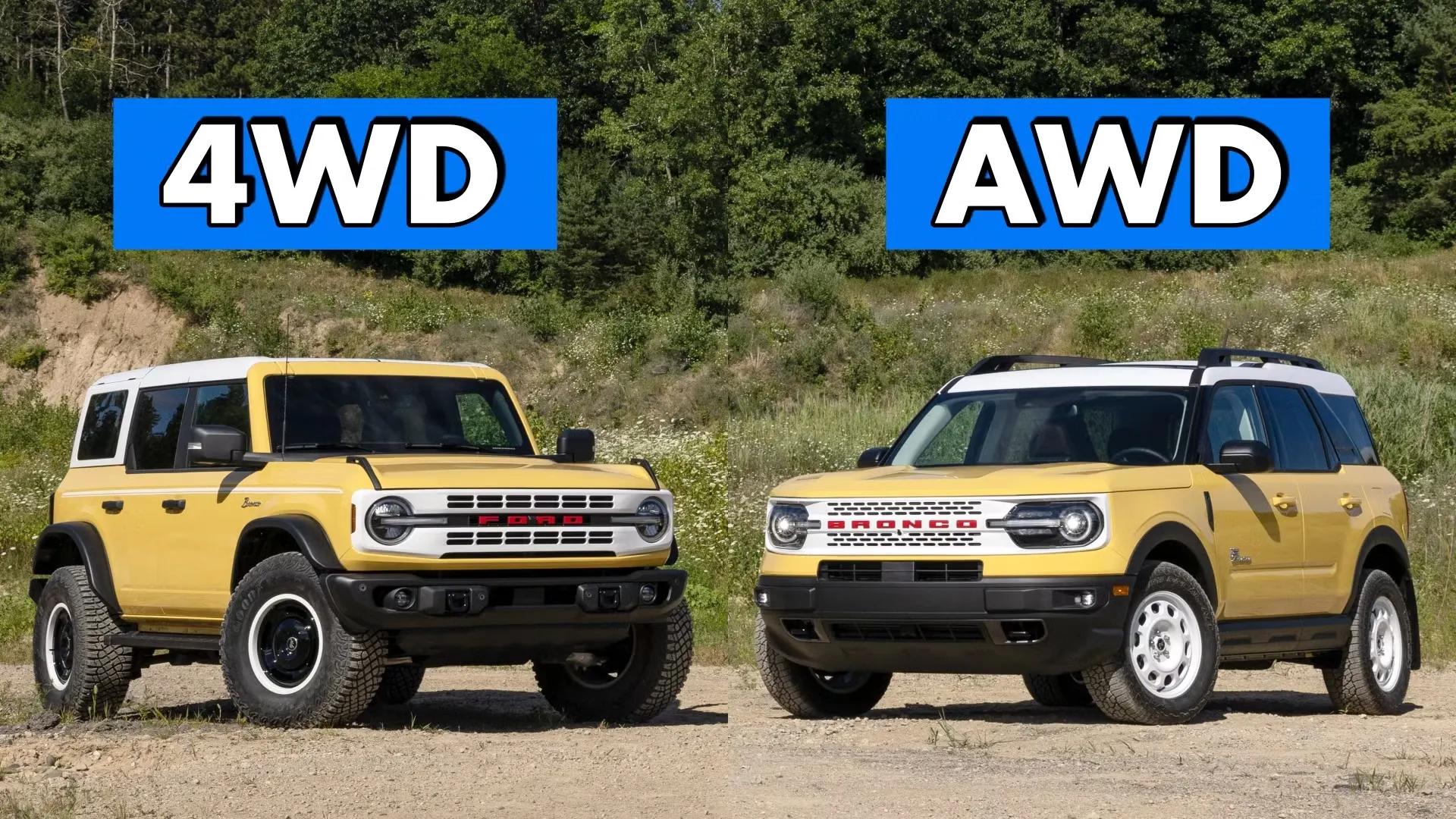
AWD vs 4WD is one of the most common comparisons car buyers search for, yet many people still use these terms interchangeably. Even though both systems send power to all four wheels, they work differently, feel different on the road, and are designed for completely different driving needs. Understanding how AWD and 4WD really work can help you choose the right drivetrain for your daily commute, weekend adventures, or challenging weather conditions.
However, right here’s the truth: AWD and 4WD are completely different structures, designed for very different types of drivers and very different types of roads. Choosing the incorrect one received’t break your car, however it could honestly affect how relaxed your every driving is, how a good deal gas you burn, and the way effectively you tackle hard weather or off-road trails.
So let’s break down AWD vs. Four Wheel Drive in the simplest terms — no engineering degree required. By using the end, you’ll recognise precisely which device suits your lifestyle.
While You Care for Your Car, Care for Your Child’s Future Too 💖
A fun and educational book every parent should gift their kid.
 Get Kiddy Store Fortune Now
Why AWD vs 4WD Matters More Than You Think
Positive, each systems ship energy to all 4 wheels. However, the manner they do it — and the situations they’re constructed for — couldn’t be greater distinctive.
Think about it like footwear:
- AWD is your regular on-foot sneaker.
- 4-wheel drive is your heavy-duty hiking boot.
You can put on hiking boots each day, however it’s not usually comfy or sensible. Equal with drivetrains.
Let’s jump into each one and spot what makes them specific.
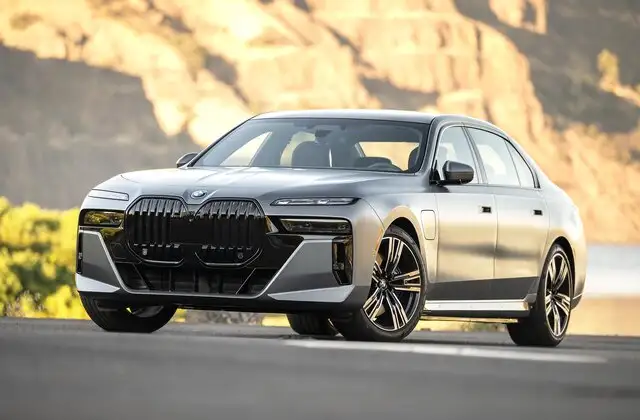
What is All-Wheel drive (AWD)?
AWD is the “always ready” system in the AWD vs 4WD discussion.All-wheel power is essentially the smart, automated helper that constantly watches the road for you.
AWD makes use of a center differential which can distribute power to both the front and rear wheels the moment it senses slip. You don’t have to press any buttons, flick any switches, or select any modes. It just works within the history.
Wherein You’ll find AWD
AWD comes preferred or non-obligatory on:
- Maximum crossovers
- Many compact and midsize SUVs
- A surprising range of sedans
- A few performance automobiles
Car groups love AWD as it affords more traction and self belief without making the automobile experience “truck-like.”

Why Drivers Love AWD
AWD shines in conditions most of us cope with each day:
- Rain
- Light snow
- Slippery intersections
- Free gravel
- Sudden weather adjustments
Basically, it’s best for folks who need a safe, certain-footed power without having to reflect on what the drivetrain is doing.
The Real-Life Benefits of AWD
Right here’s what AWD gets proper:
- Continually on — The gadget adjusts mechanically.
- Self-assurance in bad climate — You feel more stable on slick roads.
- Smoother experience — No vibration, noise, or stiffness like some Four Wheel Drive systems.
- Top notch for households and commuters — especially in regions with a seasonal climate.
However, AWD isn’t ideal.
As it’s usually running, AWD has a tendency to be less gas-green than wheel-pressure motors. And even as it helps on slippery pavement, it’s now not built for deep dust, climbing rocks, or critical trail duty.
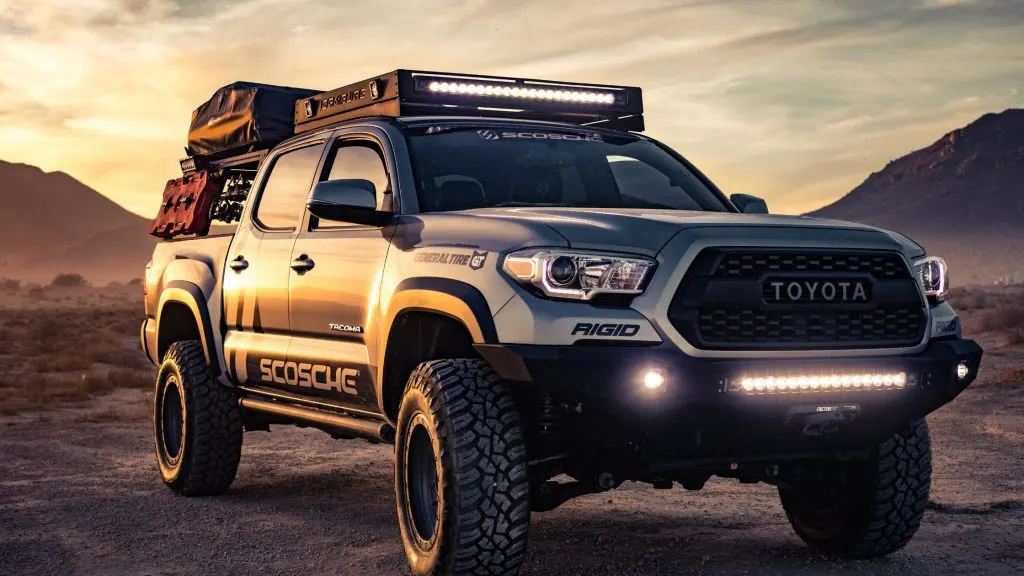
What Is Four-Wheel Drive (4WD or 4×4)?
If AWD is your everyday sneaker, 4-wheel drive is your journey boot — built for power, sturdiness, and the form of journeys in which you may without a doubt get stuck in case you’re not cautious.4WD is the more rugged side of the AWD vs 4WD comparison.
Four-wheel force structures are normally found in:
- Pickup vans
- Frame-on-frame SUVs
- Off-road-targeted cars
Those are the automobiles designed for towing, mountaineering, crawling, hauling, and exploring.
How 4-wheel drive Works
Not like AWD, four wheel drive typically gives you guide manipulate. You pick how an awful lot traction you want and when you want it.
Commonplace Four Wheel Drive modes include:
- 2H (2-high):
Popular mode for dry pavement. Saves fuel and reduces drivetrain stress. - 4H (4-excessive):
Better for slippery conditions like snow or unfastened gravel. - 4A (4-vehicle):
Works like AWD — sends electricity mechanically whilst needed. - 4L (4-Low):
Low-pace, excessive-torque mode for heavy snow, deep mud, steep climbs, or rock crawling.
This control is why off-roaders and journey enthusiasts prefer 4WD — it helps you to customize the automobile based totally at the terrain below your tires.
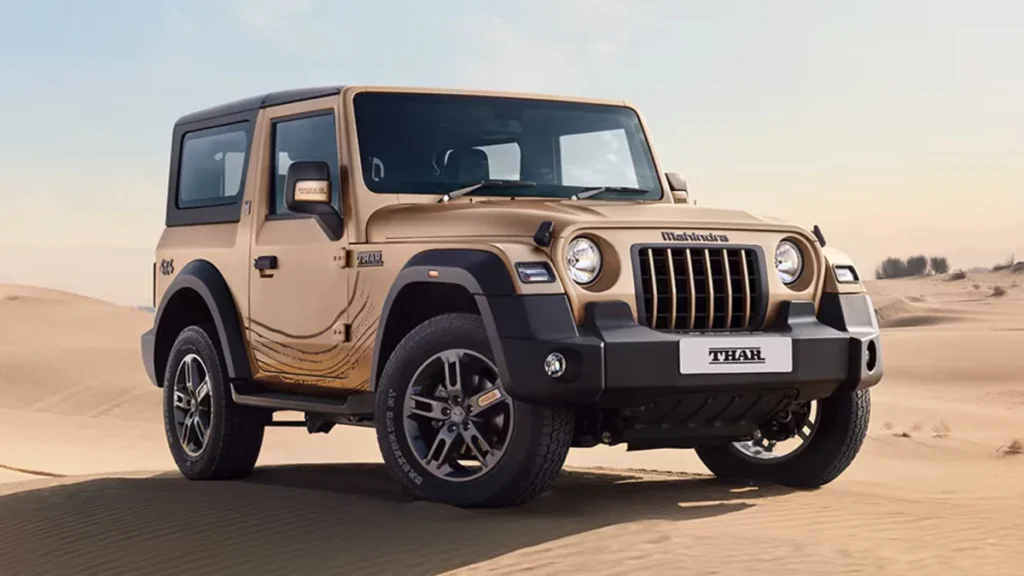
Why People Choose 4WD
Four Wheel Drive offers:
- High off-street functionality
- Higher traction for towing on loose surfaces
- Rugged layout constructed for punishment
- Driving force-selectable modes for max manage
- Most 4WD vehicles also include:
- Large, chunkier tires
- Better ground clearance
- More potent underbody protection
Those functions make a huge distinction when you’re far from pavement — but additionally they make four wheel drive trucks a little noisier and less gas-green on normal roads.
AWD vs 4WD: Which System Is Better?
That is where most of the people get caught. However, the answer is actually simple: neither machine is “better.” They’re just designed for one-of-a-kind lifestyles.
Select AWD if you:
- Drive mostly on paved roads.
- Revel in rain or snow at some stage in the 12 months.
- Want a smoother, quieter, extra fuel-efficient experience.
- Prefer a gadget that works robotically.
- Don’t want to tow huge loads on dust.
AWD is good for:
- Families
- Commuters
- Urban drivers
- Every day, avenue trips
In case your largest “off-avenue challenge” is a slushy automobile parking space, AWD is more than enough.
Pick out 4WD in case you:
- Regularly pressure on dust, sand, or choppy trails.
- Enjoy tenting, hiking, or off-road adventures.
- Too heavy trailers on gravel or dust.
- Live in rural areas with unpaved roads.
- Need to most manage in excessive situations.
Four Wheel Drive is right for:
- Outdoors enthusiasts
- Contractors and employees in tough terrain
- Off-avenue hobbyists
- Truck and SUV owners who tow
In case you want to explore locations AWD motors actually can’t reach, 4wd is the clean winner.
Fuel Efficiency: A Quick Reality Check
That is one region wherein AWD and 4WD differ a lot:
AThis is one area where AWD and 4WD differ a lot:
- AWD: Moderately less fuel-efficient than FWD
- 4WD: Uses the most fuel, especially in 4H or 4L modes
If mileage matters to you, this is something worth thinking about.
AWD vehicles generally offer:
- Quieter cabins
- Softer suspension
- Easy, automobile-like riding feel.
Four Wheel Drive automobiles usually feel:
- Heavier
- Slightly noisier
- Greater ruggedness on pavement
Nor is it “terrible,” but they cater to unique expectancies.
Final Thoughts
Here’s the only breakdown:
Buy an AWD if you need more protection and balance for ordinary riding.
Buy a 4WD if you plan to discover, tow, or tackle hard terrain.
In case you’re not certain, ask yourself one question:
Do I spend more time on paved roads or off the pavement?
In almost every real-world AWD vs 4WD scenario, AWD fits daily commuting while 4WD suits weekend adventures.
Also read: Our Volvo EX30 Is Shockingly as Fast as a Porsche 911 — But That’s Not Even the Craziest Part!