
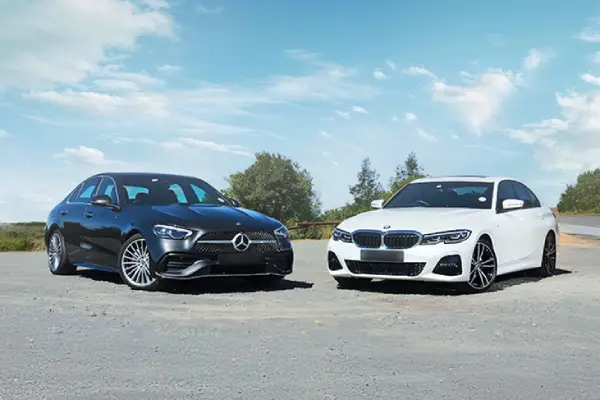
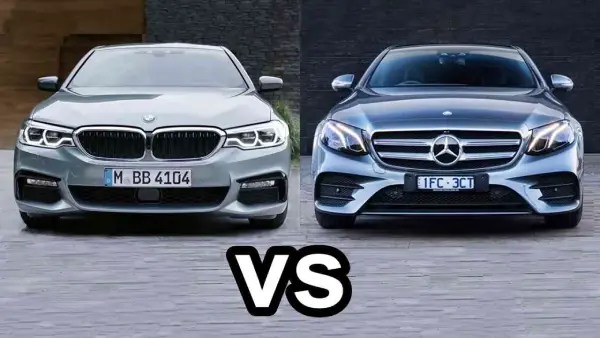
BMW vs Mercedes Reliability: When it comes to luxury cars, few rivalries are as iconic as BMW vs Mercedes-Benz. Both brands scream status, performance, and cutting-edge tech—but here’s the twist: when reliability enters the chat, the gap isn’t just noticeable… it’s massive.
So if you’re planning to invest in a premium car and want fewer headaches down the road this comparison might save you lakhs in repair bills. Let’s break it down in a simple no nonsense way.
While You Care for Your Car, Care for Your Child’s Future Too 💖
A fun and educational book every parent should gift their kid.
 Get Kiddy Store Fortune Now
The Real Question: Which Brand Breaks Less?
While BMW focuses on sporty performance and driver engagement Mercedes-Benz lean heavily into comfort, luxury and high-tech interior.
But here’s the problem:
More tech often = more things that can go wrong.
And that’s exactly where the difference shows.
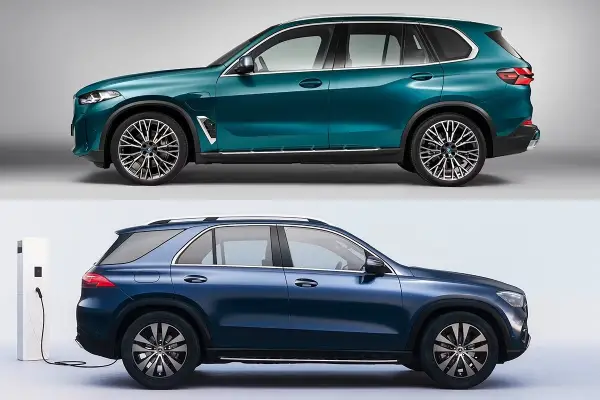
BMW X5 SUV vs. Mercedes GLE Conflict
- 82 out of 100 for X5 Reliability
- The GLE reliability score is 45 out of 100
It is not even near.
The BMW X5 stands out for having fewer electrical problems and a proven powertrain. In the meanwhile, the GLE has suspension issues and infotainment issues, particularly with its sophisticated air suspension system.
In conclusion, BMW is in the lead.
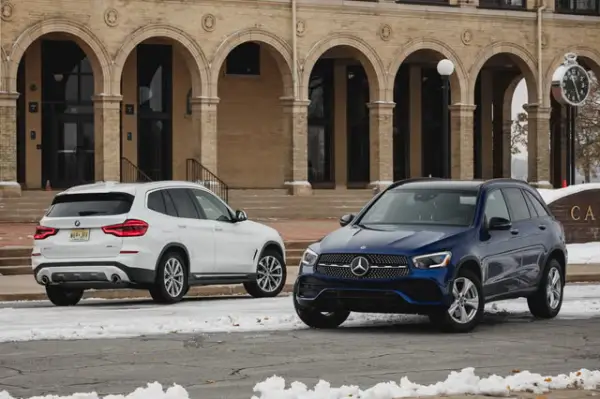
Mercedes GLC vs BMW X3 in a Compact SUV Match
- For the X3 63 out of 100
- Mercedes GLC 40 out of 100
The X3 easily outperforms the GLC despite its flaws. Mercedes’ issues with hybrid systems and interior quality complaints drag its score down.
Verdict: BMW wins again.
Mercedes C-Class vs BMW 3 Series Sedan Fight
- 59/100 BMW 3 Series
- C-Class Mercedes: 19/100
You read that correctly, yes.
The C-Class has received a lot of complaints about transmission problems, software flaws, and sensor failures. The 3 Series, on the other hand is much more reliable despite its flaws.
Conclusion: This is a BMW knockout.
Mercedes E-Class vs BMW 5 Series Executive Sedan Battle
- 66 out of 100 for the BMW 5 Series
- Mercedes E-Class 34 out of 100
The E-Class has a lot of cutting-edge technology but its intricacy reduce dependability. Owner frequently complain about electrical problems and infotainment malfunctions.
Conclusion: BMW wins once more.
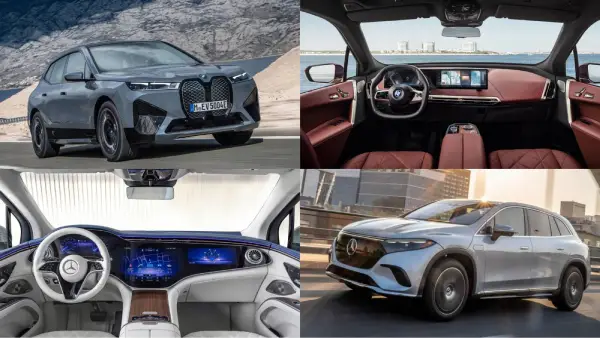
BMW i vs. Mercedes EQ electric vehicles
- BMW EVs: 78 out of 100
- Range of Mercedes EQ: 27/100
Things start to get extremely intriguing at this point.
BMW’s EV plan improves the stability and dependability of current platforms. Conversely, Mercedes invested much in cutting-edge EV technology, which backfired due to software faults and heat problems.
Conclusion: BMW dominates the EV market.
Final Verdict
Across every major category BMW consistently outperform Mercedes-Benz in reliability.
Why BMW Wins:
- More proven engineering
- Fewer software-related issues
- Better long-term durability
- Lower chance of expensive repairs
Where Mercedes Falls Behind:
- Overly complex tech systems
- Frequent electronic glitches
- Higher maintenance concerns
FAQs
Q1. Why are Mercedes cars less reliable?
A: Mercedes vehicle often include complex technology and software system which can lead to more frequent issues.
Q2. Is BMW expensive to maintain?
A: Yes but typically less expensive than Mercedes when it comes to long term repair.
Q3. Are BMW engines reliable?
A: Modern BMW engine are quite reliable especially in well established model like the 3 Series and X5.
Also Read: 2026 Lexus LS vs 2026 Genesis G90: The $100K Luxury Sedan Showdown You Didn’t Expect