
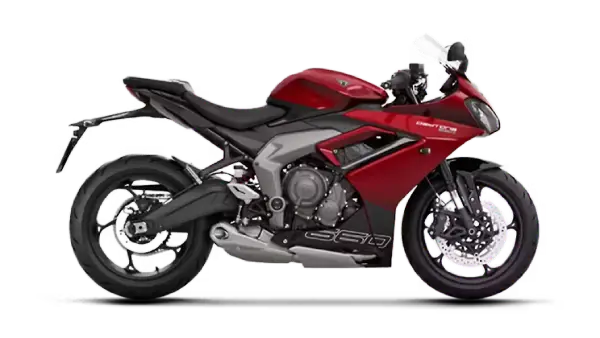
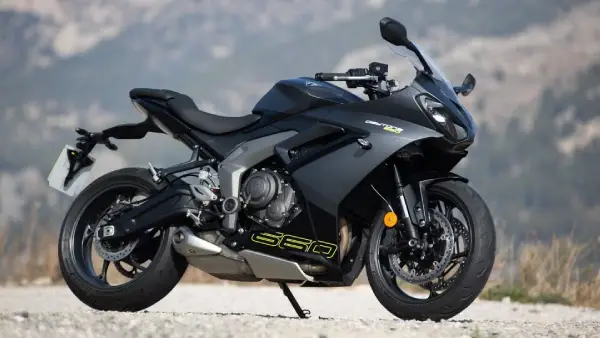
Triumph Daytona 660: At a price that warrants careful consideration, the Triumph Daytona 660 offers a unique three-cylinder engine, everyday comfort, and sporty handling.
It’s difficult to find a middleweight sport bike that performs nearly flawlessly. Certain motorcycles perform exceptionally well on curving roads, but they become unpleasant on regular rides. Others have a lot of power but don’t have the thrilling, focused feel of a sport bike.
While You Care for Your Car, Care for Your Child’s Future Too 💖
A fun and educational book every parent should gift their kid.
 Get Kiddy Store Fortune Now
Then there’s the price. Spend too much on a motorcycle built primarily for track performance, and you might end up paying for capabilities you rarely use.
That’s exactly why the Triumph Daytona 660 deserves a closer look.
The British sport bike presents a strong argument against well-known competitors like the Honda CBR650R and Yamaha R7, with a reported starting MSRP of $9,395 for the type under discussion. It has a powerful three-cylinder engine, sporty looks, contemporary electronic and a riding position intended for more than simply sporadic speed bursts.
What’s the interesting aspect? The Daytona 660 does not need to outperform every competition in every class in order to make sense. It simply need to provide the ideal balance of equipment, pricing, comfort and performance.
For rider who desire a single bike for everyday commuting, weekend excursion and the rare track day balance might be a wonderful sell point.
Why the Middleweight Sport Bike Class Makes So Much Sense
A superbike with a lot of power and an aggressive riding stance is not necessary for everyone. The middleweight class provides a more pleasurable balance between speed, control, and daily usability for a lot of riders.
These bikes don’t require the same amount of dedication as bigger, more extreme vehicles, but they are strong enough to make back roads thrilling. Additionally, compared to superbikes with a track focus, they are typically easier to get along with.
Different manufacturer handle this issue in different ways.
Rider who value a smooth four cylinder motor and classic sport bike appearance will find the Honda CBR650R appealing. The Yamaha R7 prioritize a focused riding experience and a torque rich twin-cylinder engine. Another perspective is provided by Suzuki’s GSX-8R which combines road-friendly performance with stylish styling.
With the Daytona 660, Triumph adopts a different approach.
It uses a 660cc inline three instead of having to decide between the high-revving characteristics of a four-cylinder engine and the character of a twin. This makes it stand out in a competitive market and give it a unique identity.
Not everyone will find it to be the ideal motorcycle. However, it should be on the short list for riders who desire an exciting engine without losing too much practicality.
The Triumph Daytona 660’s Biggest Advantage Is Its Triple-Cylinder Engine
Engine character can make a huge difference to how a motorcycle feels. Two bikes might produce similar peak horsepower figure yet deliver very different experiences on the road.
The Daytona 660’s 660cc inline-three engine is a major part of its appeal.
For the specification covered here Triumph quotes 95 horsepower and 50.9 lb-ft of peak torque. These figure firmly place the Daytona in the middleweight performance category, provide it with sufficient power for aggressive riding while remaining accessible for rider who don’t want an imposing superbike.
The three cylinder arrangement is particular interesting since it lies in the middle of the traditional parallel twin and inline four method.
A twin can offer a strong, immediate acceleration, but an inline four usually rewards riders who prefer to rev the engine harder. The Triumph’s triple seeks to combine a tendency to increase speed as the revs rise with easily available torque.
Outside of a specification sheet, that adaptability makes a difference.
Useful midrange power reduces the amount of time spent looking for the ideal equipment on a curvy road. Overtaking and accelerating out of corner can feel more natural when riding on a daily basis.
Additionally according to Triumph, 80% of peak torque is accessible over a large portion of the rpm range. That broad delivery is one reason the Daytona 660 can appeal to riders who want excitement without constantly pushing the engine to its limit.
And then there’s the sound and feel of a triple. It has a character of its own giving the Daytona something beyond outright number to help it stand apart.
Can It Really Challenge the Honda CBR650R and Yamaha R7?
The Daytona 660’s appeal becomes clearer when you compare the different priorities of these motorcycle.
Triumph Daytona 660: The All Rounder
The Daytona 660 is aimed at riders who want a sporty motorcycle that remain usable during ordinary life.
Longer rides are less taxing than they can be on more aggressive sport bikes thanks to its reasonably relaxed ergonomics and three-cylinder engine, which offers a unique performance character.
Adjustable front suspension, a bidirectional quickshifter, selectable riding modes, switchable traction control, and a color TFT display with linked functions are all included in the 2026 specification as stated in the source.
The Triumph offers a convincing blend of convenience and performance thanks to this combination.
Its strongest argument isn’t that it dominate every rival. It’s that it offers an appealing spread of abilities without asking riders to specialise in just one type of riding.
Honda CBR650R: The Four-Cylinder Alternative
The Honda CBR650R is an appealing choice for rider who love the smooth, high revving character of an inline four engine.
It delivers a more traditional sport-bike experience, combining sporty bodywork with an engine layout that remains relatively unusual in the middleweight segment.
For some buyers, that four-cylinder soundtrack alone will be enough to make the Honda their favourite.
The Daytona counter with a different engine character and a feature rich package. Depend on the model year and market equipment pricing and power figure can vary so buyer should compare the exact version available at their local dealership.
The choice ultimate comes down to what you value more the Honda four cylinder personality or the Triumph flexible triple cylinder approach.
Yamaha R7: The Focused Twin
The Yamaha R7 takes a more focused approach to sport riding.
Its parallel twin engine and R-series styling give it a different personality from the Daytona. Rider who enjoy a connected engaging experience on twisty roads may find the Yamaha especially appealing.
Customers drawn to Yamaha’s sport-bike style and riding experience will also naturally choose the R7.
However the Daytona combination of engine performance, ergonomic and standard equipment may appeal more to rider seeking a wider range of everyday usability.
Neither motorcycle is inherently superior to the other.
Depend on how much time you spend riding on a circuit exploring country road or commuting the answer will vary.
The 2026 Updates Make the Daytona 660 More Interesting
A motorcycle can have a great engine and attractive styling, but modern riders also expect useful equipment.
The updated Daytona 660 strengthens its case by offering a more complete package. A bidirectional quickshifter, three riding modes, switchable traction control, and a color TFT instrument display with linked functions are among the specifications listed for the 2026 model.
During vigorous cycling, a quickshifter can provide more seamless and convenient gear changes. Under the right circumstances, a bidirectional system enables clutchless upshifts and downshifts which lessens the rider’s workload.
Riders can adjust the throttle response to suit various conditions with selectable riding mode. Switchable traction control adds another layer of electronic assistance although it never replace sensible riding or good tyres.
Important information is gathered in a contemporary interface via the TFT display. Riders can access features including phone-related controls and turn by turn navigation depending on the market and linked arrangement.
Someone won’t necessarily get safer or faster with these qualities. Their significance stems from providing riders with greater flexibility and making the motorcycle easier to operate.
The Daytona’s ability to provide these features while maintaining its reputation as a road focused sport bike is crucial.
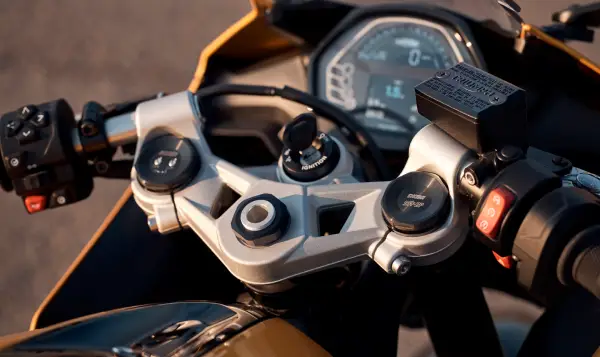
Adjustable Suspension Gives Riders More Room to Fine Tune the Ride
The nature of a motorcycle can be greatly influence by its suspension.
When the pace picks up on a smooth, meandering route, a setup that is comfortable on bumpy urban road might not seem as calm. Riders and technicians have more alternatives when it comes to finding a good compromise because to adjustability.
This specification state that the Daytona 660 sports 41mm Showa upside front fork with compression and rebound adjustment and a Showa rear monoshock with preload control.
Because of this rider have some control over how the motorcycle respond to their weight the condition of the road and their riding style.
A carefully considered setup can make the bike feel more comfortable on uneven terrain for daily use. Appropriate change can assist enhance support and calmness during more aggressive riding.
It’s worth keeping expectation realistic though. Adjustable suspension does not automatically mean the Daytona has the most sophisticate setup in its class. More specialised motorcycle may offer additional adjustments or component designed for more demanding track use.
Still, the ability to fine-tune the suspension is a useful feature on a motorcycle intended to cover several different riding situation.
Sporty Looks Without an Unnecessarily Punishing Riding Position
A sport bike should have an exciting appearance. However those appearance can rapidly lose their charm if the ergonomics cause your wrists to hurt after a quick ride.
The Daytona 660 seeks to achieve equilibrium.
Its riding position is meant to be more agreeable than that of a specialist track machine, and its full sport-bike style gives it a purposeful appearance.
The footpeg position strikes a compromise between everyday comfort and cornering clearance, and the clip-on handlebars are somewhat high for the category. According to the source specification the seat height is roughly 31.9 inches.
That seat height may work for a range of rider but it does not guarantee that everyone will find the motorcycle easy to manage. Seat width, inseam length footwear and confidence when stop all affect how a bike feel at a standstill.
A dealership test ride is the best way to find out whether the riding position suit you.
For riders who spend time commuting during the week and heading out for longer rides on weekends, the Daytona’s ergonomics could be one of its most important advantages.
Is the Daytona 660 Comfortable Enough for Daily Riding?
A motorcycle that only feels good on an empty mountain road isn’t much use if you need to ride it through traffic five days a week.
The Daytona 660’s middleweight engine and less extreme riding position make it a plausible everyday option.
Its power delivery should be useful for normal road speeds, while its sport bike dimensions give it a more focused feel than a conventional naked motorcycle. The riding position also aims to avoid the extreme forward lean associated with some track-oriented machine.
There are trade-offs, naturally.
Unlike every upright roadster the fairing and riding position will not provide the same level of comfort. The rider and riding condition can also affect comfort, wind protection, heat management and low speed maneuverability.
When determining the cost of ownership factor like fuel consumption, insurance, servicing, tire and local road condition are just as important as the purchase price.
Therefore rather than evaluating a bike based only on its appearance or listed characteristic, potential purchaser should try it on the kinds of road they really ride.
What About Occasional Track Days?
The Daytona 660 doesn’t have to avoid the track because of its road-friendly design.
Its dynamic chassis, adjustable front suspension, 95-horsepower engine and contemporary rider aids provide a good starting point for sporadic track use.
That can be a compelling mix for someone going to a beginner or intermediate track day. Without instantly entering the realm of powerful superbikes, there is sufficient performance to experiment with braking positions, cornering lines, and throttle management.
For riders who only visit a circuit a few times a year, the bike’s road-focused nature may also make it a more flexible ownership option.
Serious track rider however should carefully weigh their priorities. Headline horsepower numbers may not be as important as tire, braking performance, suspension setup, rider experience and track specific equipment.
For frequent circuit use or competitive riding a dedicated track motorcycle would still be a superior choice.
The Daytona 660 makes it possible for everyone else to enjoy a track day without purchasing a motorcycle made specifically for that purpose.
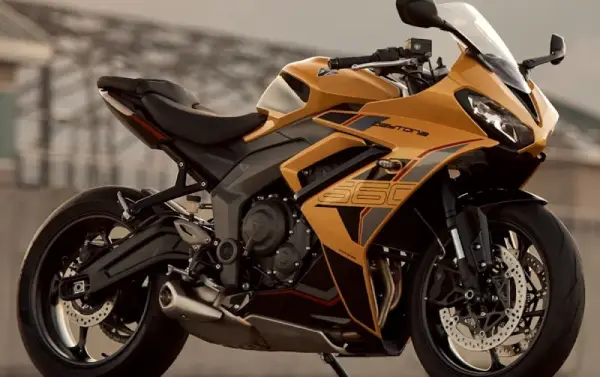
Is $9,395 a Good Price for the Triumph Daytona 660?
A significant factor in the Daytona’s attraction is its price, yet the stated MSRP requires context.
For motorcyclists looking to purchase a middleweight sport bike, the $9,395 price listed for the model in our comparison makes the Triumph worthwhile. However, after destination costs, dealer fees, taxes, registration, and extra equipment, the actual out-of-door cost can be more.
It is also advisable to check the current prices of the Honda CBR650R and Yamaha R7 in the same market and model year. One manufacturer’s advertized price might not be accurate because typical equipment and availability can vary between nations.
Ownership expenses are also worth considering.
Prior to purchasing take into account insurance quotations, planned maintenance, new tires, brake parts, gasoline cost and any accessories you actually require. If a motorcycle’s total ownership package better meets your demands, it can still be worth the slightly higher initial cost.
Similarly if the motorcycle doesn’t suit your riding style a cheaper purchase price isn’t really a deal.
The Daytona unique engine adjustable suspension electrical feature sporty design and everyday usage are what give it its true value. It should be on your shortlist if those are your top priorities.
Who Should Buy the Triumph Daytona 660?
For riders who desire one motorcycle to serve multiple purposes, the Daytona 660 is the best option.
It might be a good contender if you:
- Are you look for a middleweight sport bike with a unique three cylinder engine?
- Choose a sporty look without adopt a really aggressive riding stance.
- Enjoy ride on the weekend but you also need to be realistic every day.
- Want useful electronics and suspension adjustability.
- Plan to attend occasional track days rather than race competitively.
- Value a balance of performance, comfort, and equipment over class-leading numbers in a single category.
However the Honda CBR650R can be preferred for rider who really appreciate the sound and personality of an inline-four. The Yamaha R7 should be seriously consider by those who appreciate its twin-cylinder personality and focused sport bike feel.
Before making a choice rider who frequently exert a lot of effort on a circuit might wish to weigh more specialize option.
The motorcycle with the highest horsepower or the most aggressive look isn’t always the best. It is the one that best suit your intended application budget and level of experience.
Final Verdict: A Middleweight Sport Bike Worth a Closer Look
As an all-around motorbike, the Triumph Daytona 660 presents a strong case for the middleweight sport bike.
It has a distinct personality from the Yamaha R7 and Honda CBR650R thanks to its 660cc triple engine. Its appeal is increased by current rider technology, adjustable suspension, and a somewhat comfortable riding position.
It won’t be the perfect choice for every rider. The Honda has its four-cylinder charm while the Yamaha offers a different kind of focused sport-bike experience. Buyers should also compare current local price and exact model specifications before making a decision.
But that’s precisely what makes the Daytona interesting. It doesn’t have to be the outright winner in every category to be a smart purchase.
For riders who want engaging performance without giving up too much everyday comfort, the Triumph Daytona 660 could be one of the most appealing motorcycles to test ride before making a final decision.
FAQs
Q1. What is the price of the Triumph Daytona 660?
A: According to the source, the Triumph Daytona 660 has an MSRP of $9,395. Please note that your final cost can change due to location and dealership fees, taxes, and other cost so make sure to check in with a local dealer to confirm.
Q2. Is the Triumph Daytona 660 superior to the Honda CBR650R?
A: Both bikes have their pros and cons. The Daytona 660 is the only option in this comparison that has a triple-cylinder engine, as well as a more convenient, road-oriented feature package. However, many riders prefer the inline-four on the Honda. It is best to look at your personal preference and the local price to decide which one is right for you.
Q3. Is the Daytona 660 superior to the Yamaha R7?
A: For riders looking for an engine with everyday convenience and a balanced position, the Daytona may be better. However, the Yamaha R7 has a parallel-twin engine with a sports bike design and focus. The best thing to do is to ride each one and make up your mind.
Q4. Is the Daytona 660 suitable for beginner?
A: It may suit some newer rider who have complete appropriate training and are comfortable managing a motorcycle with this level of performance. However 95 horsepower is substantial for a beginner, so a lighter, less powerful motorcycle may be a better first choice for many new riders.
Also Read: This $33K Mazda3 Hatchback Has Red Leather, Standard AWD, and More Speed Than You’d Expect