
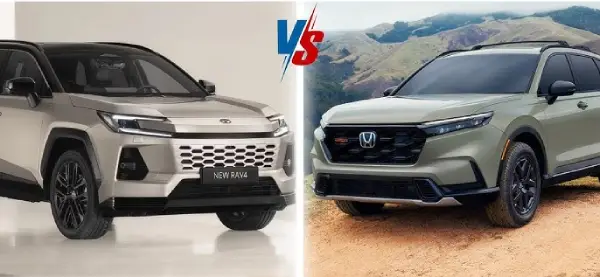
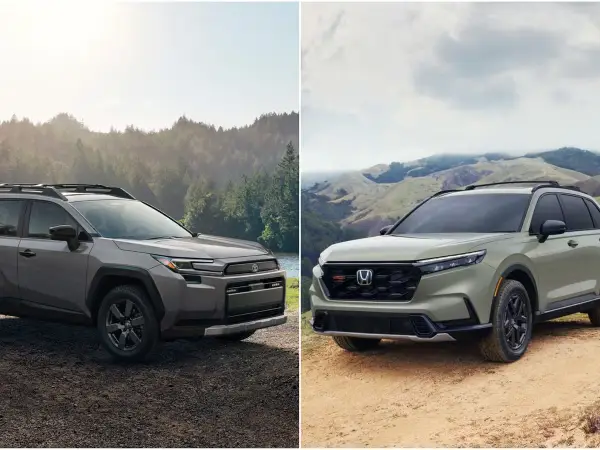
2026 Toyota RAV4 vs. 2026 Honda CR-V: Choose a small SUV in 2026 isn’t easy especially when the two best selling name in America are fight for your driveway.
The Honda CR-V and Toyota RAV4 have both evolved, refined and improve. On paper they look evenly match. But dig a little deeper and the gap start to show.
While You Care for Your Car, Care for Your Child’s Future Too 💖
A fun and educational book every parent should gift their kid.
 Get Kiddy Store Fortune Now
If you’re stuck deciding between these two popular crossovers, here are five major differences that could make or break your decision — and yes, Toyota’s RAV4 is turning up the heat this year.
1. RAV4’s Bold New Look vs. CR-V’s Safe Styling
Lets begin with the first thing you notice: design.
With the 2026 CR-V, Honda stay in its comfort zone. It’s elegant, contemporary and tidy but it’s also recognizable. The CR-V is a great option if you prefer understated style that fit in perfectly.
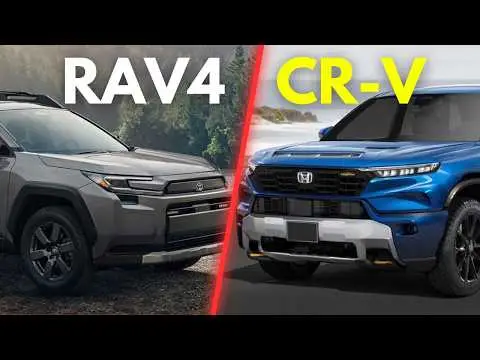
On the other hand the 2026 Toyota RAV4 demand notice.
The RAV4 feels more rugged and daring thank to its higher hood, optional black roof, sharper headlamps, and sportier trim levels like GR Sport. It appear prepared for parking lot flexing, road trips, and treks.
Winner: RAV4 because it just has more individuality.
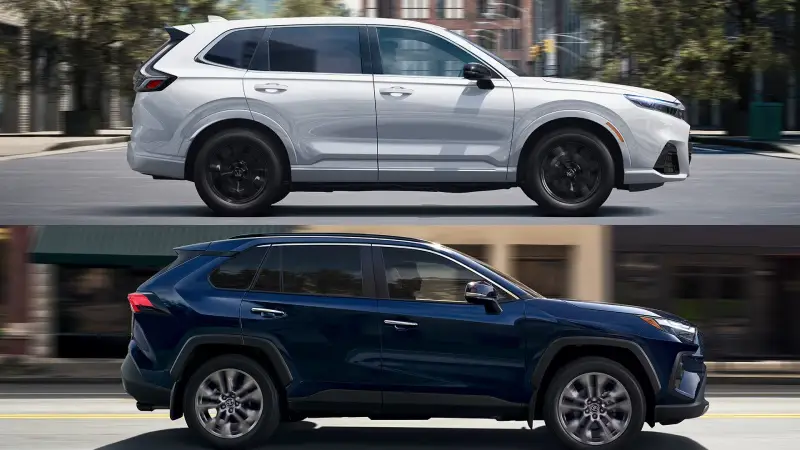
2. Toyota Goes All-In on Hybrids – Honda Still Sells Gas Engines
This is where things get interesting.
Honda continue to offer a traditional 1.5-liter turbo gas engine producing 190 horsepower. Its hybrid version improve efficiency and power, reaching 204 hp and up to 40 mpg combined — solid numbers.
Toyota, meanwhile has made a bold decision.
Every 2026 RAV4 is electrified.
- Base Hybrid: Up to 236 hp
- Plug-in Hybrid (RAV4 Prime-style): A massive 320 hp
- Electric-only range: Around 50 miles
That’s sports-sedan power with real EV capability — without the range anxiety.
Winner: RAV4 — Toyota is clearly betting on the future.
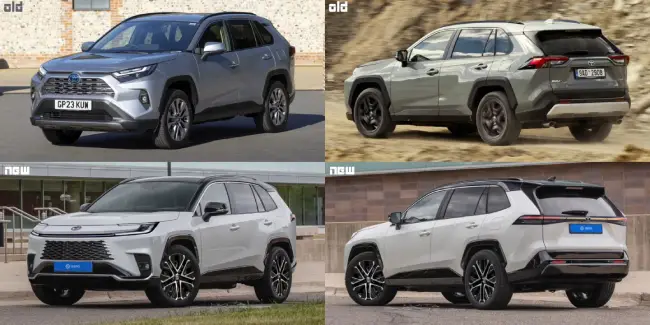
3. Honda’s Secret Weapon: A Hydrogen CR-V
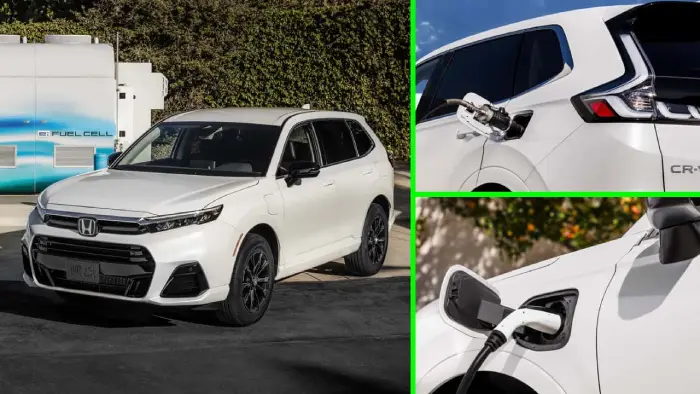
Honda surprise everyone with the CR-V e FCEV a hydrogen fuel-cell SUV with plug in capability.
It offers:
- 174 hp
- 229 lb-ft of torque
- Around 270 miles of range
- Ultra-fast hydrogen refueling
Sounds futuristic — and it is.
But there’s one big limitation: it’s only sold in California. For most buyers, it’s more concept than reality.
Toyota doesn’t offer a hydrogen RAV4 yet, but its plug-in hybrid already covers real-world needs for most drivers.
Winner: Interesting tech from Honda — but limited impact.
4. Need to Tow? RAV4 Is the Beast Here
If you plan to tow anything more than bikes, this matters.
2026 Honda CR-V towing limits:
- Gas model: 1,500 lbs
- Hybrid: 1,000 lbs
2026 Toyota RAV4 towing limits:
- FWD: 1,750 lbs
- AWD (select trim): Up to 3,500 lbs
That’s a massive difference. Small campers, jet skis, trailers — the RAV4 can handle it without breaking a sweat.
Winner: RAV4 — no contest.
5. Bigger Screens, Smarter Tech in the RAV4
Honda’s interior tech is clean and easy to use:
- 9-inch touchscreen
- Up to 10.2-inch digital cluster
- Google built-in (top trims only)
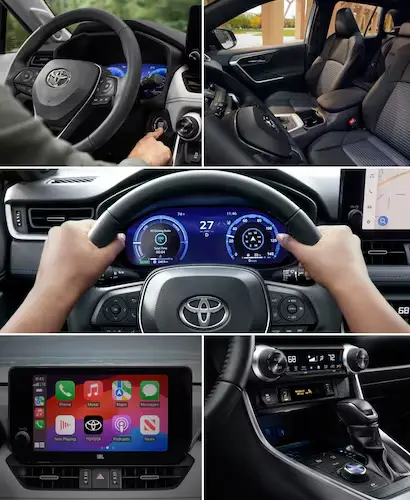
Toyota goes bigger and bolder:
- 12.3-inch digital instrument cluster (standard)
- 10.5-inch touchscreen (standard)
- Optional 12.9-inch display
- New Arene OS with faster responses and smarter voice control
Both SUV support wireless Apple CarPlay and Android Auto but Toyota even beat Honda on audio, offering more speakers and an optional JBL premium system.
Winner: RAV4 — more tech, more wow factor.
Conclusion: What Is the Best SUV to Choose?
what many families want.
But if you’re looking for:
- More power
- Better towing
- Advanced tech
- Strong hybrid & EV performance
- A bolder design
…the 2026 Toyota RAV4 clearly pulls ahead.
Price hasn’t been fully reveal yet but expect it to stay competitive with the CR-V which start around $30,920.
FAQs
Q: Is the Toyota RAV4 hybrid only?
A: Yes Toyota has discontinue gas only RAV4 model. Each RAV4 is either a plug in hybrid or a hybrid.
Q: Is there a plug in hybrid option for the Honda CR V?
A: Honda offer a hydrogen plug in CR-V but it’s only available in California. There is no widely available PHEV version yet.
Q: Which SUV has better technology?
A: The RAV4 leads with larger screens, a more advanced operating system, and better audio options.
Also Read: Best Compact Truck Deal of August? Meet the 2026 Hyundai Santa Cruz