
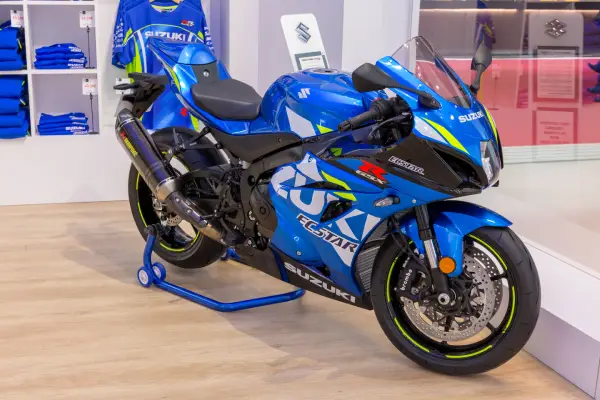
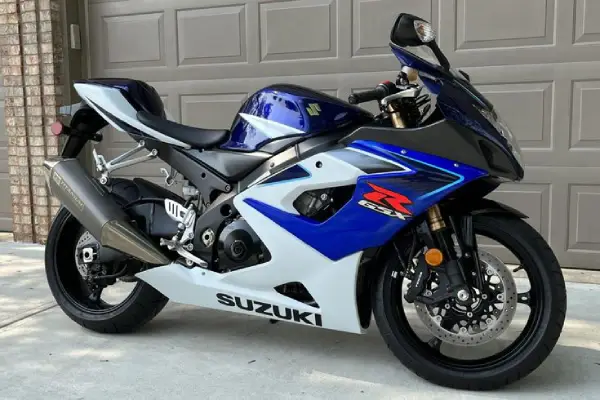
2006 Suzuki GSX-R1000: A 20-year-old Suzuki lacks all of the advanced electronic featured on today’s flagship motorcycles, including traction control and launch control. However it is still capable of achieving an acceleration number that makes some current superbikes appear rather unremarkable.
The 2006 Suzuki GSX-R1000, one of the most renowned literbikes of its time is the motorbike in question. Additionally the 2026 Ducati Diavel V4 RS purported 0–60 mph pace make the outdated Suzuki appear far more impressive than its age would indicate.
While You Care for Your Car, Care for Your Child’s Future Too 💖
A fun and educational book every parent should gift their kid.
 Get Kiddy Store Fortune Now
That’s what make the GSX R1000 so fascinating. It wasn’t designed around riding mode launch algorithm or computers trying to manage every millisecond of acceleration. It was a relative simple formula serious horsepower very little weight and a rider who knew exactly how to use the throttle and clutch.
Why The 2006 Suzuki GSX-R1000 Still Matters
For Japanese superbike the early 2000s were a unique time.
Every each generation appear to be lighter, faster and more aggressive as manufacturers engaged in a fight of weight and horsepower. The GSX-R1000 was Suzuki response.
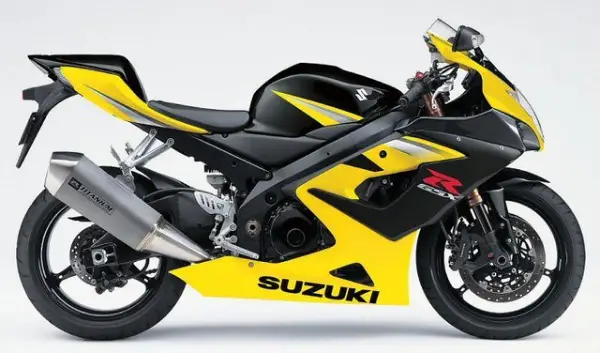
The 2006 model is a member of the highly respected K5/K6 family of motorcycle which gained notoriety for fusing incredibly small size with explosive performance.
During period testing the bike’s liquid-cooled inline-four produce about 162 horsepower at the back wheel, and its dry weight was about 166 kg.
Even now, such figures are astounding.
However the Suzuki’s ability to launch so forcefully cannot be explained by horsepower alone.
The bike’s low weight gave it an excellent power-to-weight ratio while its strong midrange allowed the rider to build speed rapidly without waiting for the engine to reach the top of its rev range.
And then there’s the biggest difference between the Suzuki and modern superbikes the electronics weren’t there to save you.
No Launch Control. No Traction Control. Just Skill.
Modern performance motorcycle have become incredibly sophisticated.
A rider can select a riding mode activate launch control and let the motorcycle electronic manage wheelspin, wheelies and throttle delivery. That technology has made today’s superbikes considerably easier to exploit.
The GSX R1000 was a different animal.
There was no sophisticated launch control system controlling the start. No modern wheelie-management system was constantly monitoring the front wheel. The rider had to make the decisions.
Get the clutch release right and the Suzuki could explode away from the line.
Get it wrong and the front wheel could come up the rear tire could lose traction, or the launch could simply fall apart.
That makes the bike’s best acceleration figures particularly interesting.
The Famous 0-60 MPH Figure Needs Some Context
The amazing 2.35 second 0-60 mph pace is one of the figure commonly link to the 2006 GSX-R1000.
If true that’s an incredible outcome for a motorcycle manufactured twenty years ago.
But that amount needs to be handled with caution. Motorcycle acceleration testing is not entirely standardized, and the rider, surface, tires, weather, gearing and measurement equipment can all significantly affect the findings.
The GSX-R1000 is closer to the low-three-second range at 0–60 mph, according to a more cautious real-world estimate.
That’s still brutally quick.
More importantly, the famous 2.35-second figure gives us an interesting benchmark when comparing the Suzuki with much newer machines.
The Ducati Diavel V4 RS Brings Modern Technology Into The Fight
Twenty years later Ducati has produce a completely different type of performance motorcycle.
The 2026 Ducati Diavel V4 RS blend serious superbike hardware with a powerful cruiser inspire styling. Its Desmosedici Stradale V4 generate about 182 horsepower which is about 20 higher than the rear wheel statistic for the 2006 Suzuki that is frequently cited.
Additionally the Ducati boasts an advanced technological kit that benefits the rider, in contrast to the Suzuki.
It has contemporary ride-by-wire technology, traction control, wheelie control, and Ducati Power Launch.
On paper, the Ducati should have the advantage.
And in many areas, it absolutely does.
But acceleration is where the comparison becomes surprisingly close.
Ducati quote a 0-60 mph time of around 2.43 second for the Diavel V4 RS.
That means the wide cite 2.35 second figure for the old Suzuki is technically still quick by approximate 0.08 second.
That’s an almost meaningless difference in everyday riding.
But from an engineering perspective, it’s fascinating.
A 2006 motorcycle with no modern launch-control system is still capable of sitting in the same conversation as a 2026 flagship equipped with two decades of electronic development.
Power Isn’t Everything
It’s simple to presume that the newer motorcycle will win just based on horsepower figures.
That is not how motorcycles operate.
In a standing-start acceleration run, weight, gearing, torque delivery, tire grip, aerodynamics, and—above all—the rider all have a significant impact.
One of the main benefits of the GSX-R1000 is its very low weight.
If a motorcycle has little mass to move, it doesn’t need to generate the highest power.
That’s one reason older Japanese literbikes remain so entertaining today. Their engines were powerful enough to be genuinely frightening but the bike themselves were still light and relatively uncomplicated.
The result is a machine that can feel much faster than its age suggest.
Modern Electronics Have Changed The Game
There’s another side to this comparison that shouldn’t be overlook.
The fact that the GSX-R1000 can produce such impressive acceleration without launch control doesn’t mean modern electronic are unnecessary.
Quite the opposite.
Launch control and traction control allow manufacturers to make today’s motorcycles faster and more repeatable.
A professional rider might be able to extract an incredible launch from an old GSX-R1000, but doing it consistently is another matter.
A modern Ducati can use sensors and computer-controlled systems to manage the launch with remarkable precision.
That’s a huge advantage for the average rider.
So while the Suzuki may have the bragging rights on a particular acceleration figure, the Ducati’s technology makes its performance considerably easier to access.
Why The K5/K6 GSX-R1000 Has Become A Cult Favorite
The K5 and K6 GSX-R1000 generation have developed a special reputation among motorcycle enthusiast.
Part of that comes from performance.
Part comes from the bike’s relatively simple mechanical character.
And part comes from nostalgia.
These motorcycles arrived before electronic rider aids became a defining part of superbike development. The rider had a much larger role in controlling the machine.
That doesn’t necessarily make them better than modern bikes.
It makes them different.
For some enthusiast that’s exactly the appeal.
The experience feels more direct. You twist the throttle, manage the clutch and feel the motorcycle respond without a computer constantly adjusting the experience behind the scenes.
Should You Buy A 2006 GSX-R1000 Today?
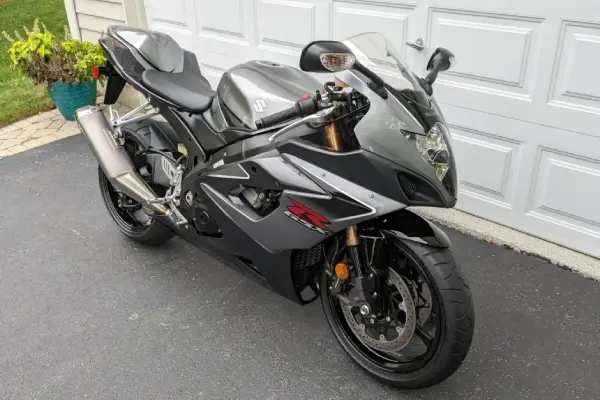
If you’re looking for a cheap way to own a serious performance motorcycle a K5/K6 GSX-R1000 can still be an interesting proposition.
But age matters.
A 20-year old motorcycle should be inspect careful before purchase. Service history, engine condition, suspension component, brake, tires, chain and sprocket all deserve attention.
Modified examples also need extra scrutiny.
Many GSX-R1000 from this era were used for track day drag racing or aggressive street riding. A completely original example with a documented history can therefore be much more desirable than a heavily modified bike with an unknown past.
The goal shouldn’t simply be finding the cheapest GSX-R1000.
It should be finding the right one.
The Bigger Lesson From This Old Suzuki
The 2006 GSX-R1000 isn’t beating modern motorcycle at everything.
Today’s superbikes are safer, more sophisticate, more comfortable and packed with technology that didn’t exist when the Suzuki was new.
But that’s precisely why its acceleration figures are so interesting.
Two decade of development have produced more power, smarter electronics and increasingly sophisticated chassis systems. Yet the fundamental recipe for a brutally fast motorcycle hasn’t changed much.
Keep the weight low.
Make plenty of power.
Give the rear tire enough grip.
And find a rider who know how to use it.
The Suzuki GSX-R1000 got that recipe remarkabe right.
And that’s why this old school Japanese superbike still deserve attention in 2026.
FAQs
Q: Is the GSX R1000 still fast?
A: Absolutely Even by modern standard the GSX-R1000 is an extreme fast motorcycle. Its combination of strong power low weight and aggressive gear give it serious acceleration.
Q: What is the 0-60 mph time of the GSX R1000?
A: A widely cited figure is around 2.35 second although that should be treat as an exceptional best case result rather than a guarante real world time. More conservative testing place it around the low three second range.
Q: Is the Diavel V4 RS fast than the GSX R1000?
A: It depend on the test and measurement method. Ducati quote the Diavel V4 RS at around 2.43 second from 0-60 mph while the GSX R1000 has a frequently cite 2.35 second figure. The difference is extreme small.
Also Read: Lexus Has Built a Luxury SUV That Mercedes Should Take Seriously
1 thought on “The 2006 Suzuki GSX-R1000 Is Still Shockingly Quick Against Modern Superbikes”
Comments are closed.