
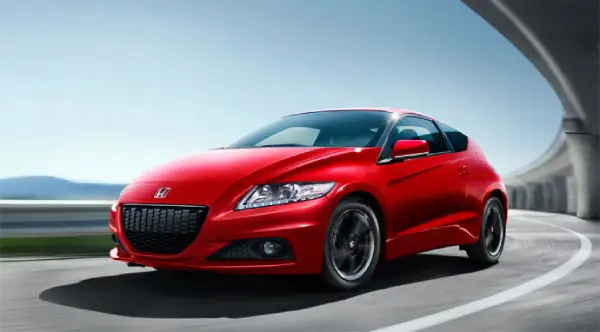
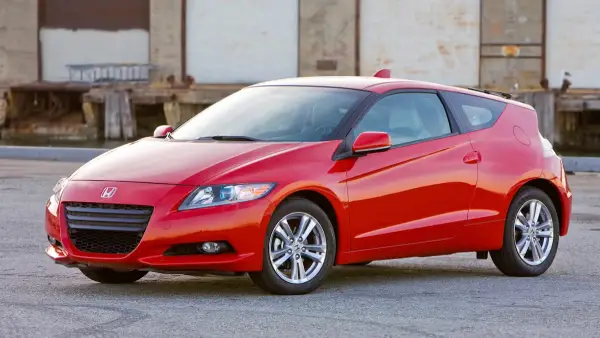
Honda CR-Z Hybrid Sports Car: There’s something oddly satisfying about finding a car the market gave up on… but reality didn’t.
That’s exactly the case with the Honda CR-Z — a quirky little hybrid that once confused buyers, lost value fast, and is now quietly becoming one of the smartest used-car buys out there.
While You Care for Your Car, Care for Your Child’s Future Too 💖
A fun and educational book every parent should gift their kid.
 Get Kiddy Store Fortune Now
Let’s break down why this forgotten hybrid deserves a second look in 2026.
A Hybrid… That Tried to Be Fun (Before It Was Cool)
Today performance hybrids are everywhere. But rewind to the early 2010s and hybrid were mostly about saving fuel not delivering smiles.
Then came the CR-Z.
It was not trying to be the fast car on the road. Instead it blend:
- A sporty coupe design
- A lightweight chassis
- A hybrid powertrain for efficiency
And here’s the twist: you could get it with a manual transmission.
That alone made it stand out in a sea of dull eco car.
What Made the CR-Z Different?
The CR-Z was built as a modern spiritual successor to the CR-X and you can feel that DNA in how it drive.
Under the hood you got:
- 1.5L petrol engine + electric motor
- Around 122–130 horsepower
- Smooth but responsive handling
- Lightweight, city-friendly dynamics
It wasn’t blisteringly fast but it was engaging, especially with the manual gearbox — something almost unheard of in hybrids.
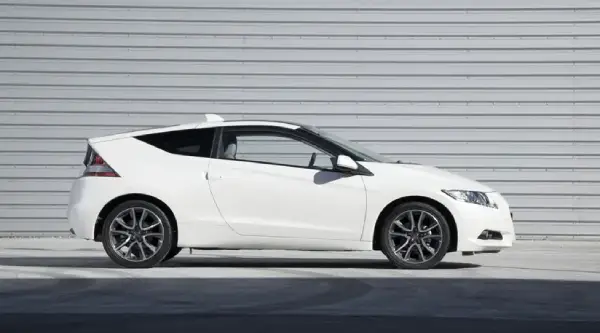
Depreciation Hit Hard… Really Hard
Here’s where things get interesting.
When new the CR-Z cost close to $20,000.
Fast forward to today, and you can find one for:
- As low as ~$5,000 (older, higher mileage)
- Around $10,000–$18,000 for cleaner example
That’s a massive drop.
Why did it fall so hard?
- Buyers didn’t “get” the hybrid sports concept
- It wasn’t fast enough to compete with hot hatches
- It wasn’t efficient enough to beat dedicated hybrids
So it sat awkwardly in the middle… and the market punished it.
Built Like a Tank (Classic Honda Style)
Here’s the part depreciation doesn’t tell you: this thing is seriously reliable.
Like most Hondas, the CR-Z benefits from:
- Proven hybrid tech (Integrated Motor Assist system)
- Low maintenance costs
- Strong long-term durability
There are very few major complaints across model years. Most issues reported are minor:
- Interior wear
- Airbag-related recalls (common in many cars of that era)
- Cosmetic issues like paint
Mechanically? It’s solid.
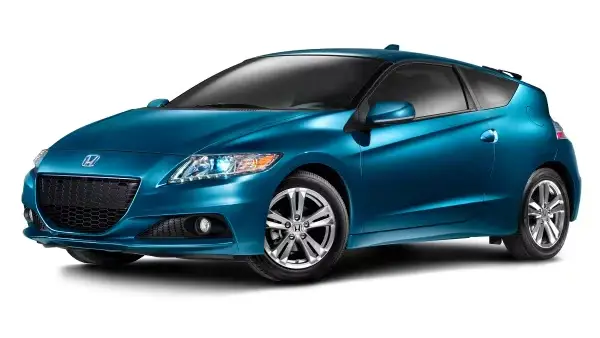
The Hidden Performance Versions
If the standard CR-Z feels a bit tame, things get spicy with tuned versions.
Mugen CR-Z
Honda’s performance partner, Mugen Motorsports, took things further:
- Supercharged engine
- Around 200 hp
- Sharper suspension and styling
HPD Supercharged Version
Built by Honda Performance Development:
- ~197 hp
- 0–60 mph in ~6.7 seconds
- Manual-only setup
These versions completely transform the car — from “mild hybrid” to “seriously fun sleeper.”
In 2026 should you purchase one?
If you would like
- Something unique
- Cheap to buy and run
- Reliable daily driver with personality
Then yes — the CR-Z makes a lot of sense.
But be realistic:
- It’s not a true sports car
- Rear space is tight
- Performance is modest (unless modified)
Still, as a budget enthusiast car, it punches above its price.
Final Verdict
The CR-Z didn’t fail because it was bad.
It failed because it was ahead of its time.
Now that hybrids are finally accepted as fun and performance-oriented the CR-Z feels like a concept that arrived too early — and got overlooked because of it.
Today?
It’s a cheap, reliable and genuinely interesting car that stand out in a world full of boring crossover.
And that alone might make it worth grabbing before everyone else catches on.
FAQs
Q1. Is the CR-Z fast?
A: Not really. The standard version is more about fun driving than speed though Mugen and HPD versions are much quicker.
Q2. Is the CR-Z expensive to maintain?
A: No. Like most Honda vehicle it’s known for reliability and relatively low maintenance costs.
Q3. Are CR-Z parts still available?
A: Yes, most parts are still accessible, though rare performance variants may have limited availability.
Also Read: Toyota’s Electric SUV Is as Quick as a Supra—But Here’s Why That Might Be a Problem