
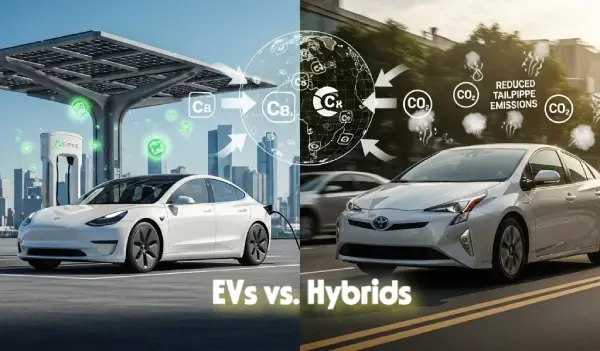
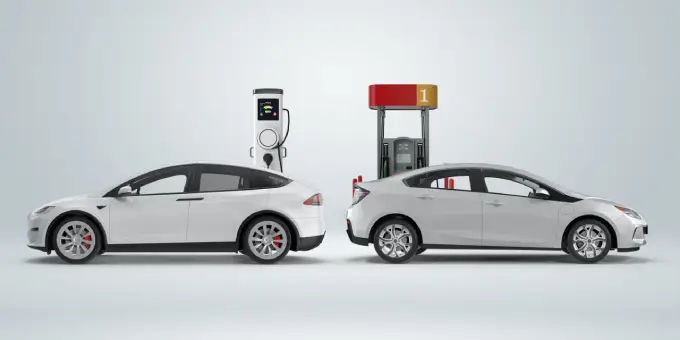
Toyota Hybrids vs EVs: If you’ve been following the car industry lately, one thing is clear — the “all-electric future” didn’t arrive as fast as everyone predicted. And while brand rushed toward EVs Toyota quietly stuck to hybrids and now it looks like a genius move.
Let’s break it down in a simple real world way.
While You Care for Your Car, Care for Your Child’s Future Too 💖
A fun and educational book every parent should gift their kid.
 Get Kiddy Store Fortune Now
The EV Hype vs Reality
A few years ago electric vehicles (EVs) were everywhere. Government pushed them companies invested billions, and brand like Tesla made EVs look like the future.
But here’s the catch…
EVs work great only if your lifestyle supports them
- You need home charging
- Charging stations must be reliable
- Electricity costs should be reasonable
- Your driving habits should be predictable
For millions of people, especially in countries like the US and India, that’s just not the case yet.
Why Hybrids Just Make More Sense (Right Now)
This is where Toyota hybrid strategy shines.
Car like the Toyota Camry Hybrid and Toyota Corolla Hybrid give you
Better fuel efficiency
Lower emissions than petrol cars
No need to plug in
Same driving habits as before
Basically, you save fuel without changing your lifestyle.
And that’s exactly what most buyers want.
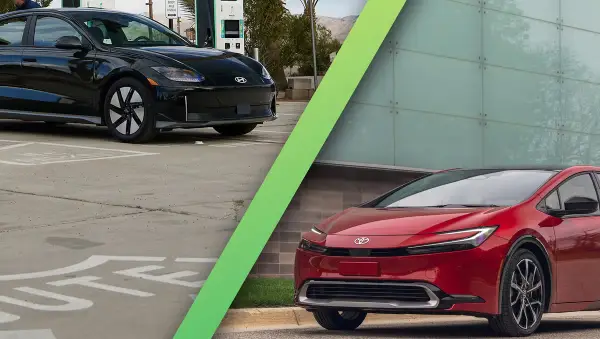
The Market Is Speaking Loud & Clear
Recent trends show something interesting:
- Hybrid sales are rising steadily
- EV growth has slowed in many regions
- Many buyers are switching back to hybrids
Even Toyota’s own numbers prove it — electrified vehicles now make up a huge portion of their total sales.
Translation:
People like electrification… just not the complicated version.
Toyota’s Smart Battery Strategy
Toyota didn’t just guess — they planned ahead.
Instead of using massive batteries for a few EVs they spread smaller batteries across many hybrid car.
This idea (often called the 1:6:90 rule) means:
- 1 EV battery =
6 plug-in hybrids OR
90 mild hybrids
Result: More cars, more fuel savings, faster impact
It’s not flashy — but it’s incredibly practical.
Real-Life Problems EVs Still Haven’t Solved
Let’s be honest for a second…
EVs still struggle with:
- Charging infrastructure (especially outside big cities)
- Long charging times
- Range anxiety
- High upfront cost
- Battery replacement concerns
For someone living in an apartment or traveling long distances, EVs can feel like a headache.
Why Buyers Trust Hybrids More
Most people don’t buy cars for ideology — they buy them for:
- Reliability
- Cost savings
- Convenience
- Peace of mind
And hybrids deliver on all four.
Toyota, known for reliability, made hybrids feel safe and familiar, not experimental.
Does This Mean EVs Are Failing?
Not at all.
EVs are still the future — especially in:
- Cities with strong charging networks
- Countries with EV incentives
- People with home charging setups
But here’s the truth:
The transition is slower and uneven — not instant.
And Toyota understood that better than most.
The Real Lesson From Toyota
While others chased headlines Toyota focused on real-world usability.
Their strategy was simple:
“Don’t force change. Make it easy.”
And that’s why hybrids are winning… at least for now.
Final Thought
The EV revolution isn’t over — it’s just taking a detour through hybrids.
And honestly?
Toyota saw that road coming long before everyone else did.
FAQs
Q: Do hybrid car save more fuel than petrol cars?
A: Yes hybrid car use a combination of petrol and electric power which significantly improve fuel efficiency compare to traditional petrol vehicle.
Q: Are electric vehicle still the future?
A: Yes EVs are still the long-term future but adoption depend heavily on infrastructure, affordability and consumer readiness.
Q: Which is cheaper to maintain hybrid or EV?
A: Hybrid are currently easier and often cheaper to maintain for most user due to familiar technology and no dependency on charging systems.
Also Read: 2026 Toyota Corolla Review: The Reliable Car That Just Got Smarter!